
In the modern age governed by summarisation, I am a dissident. One of the ways I like to express independence is in my persistent revolt against being handed conclusions, summaries and "TL;DR"s.
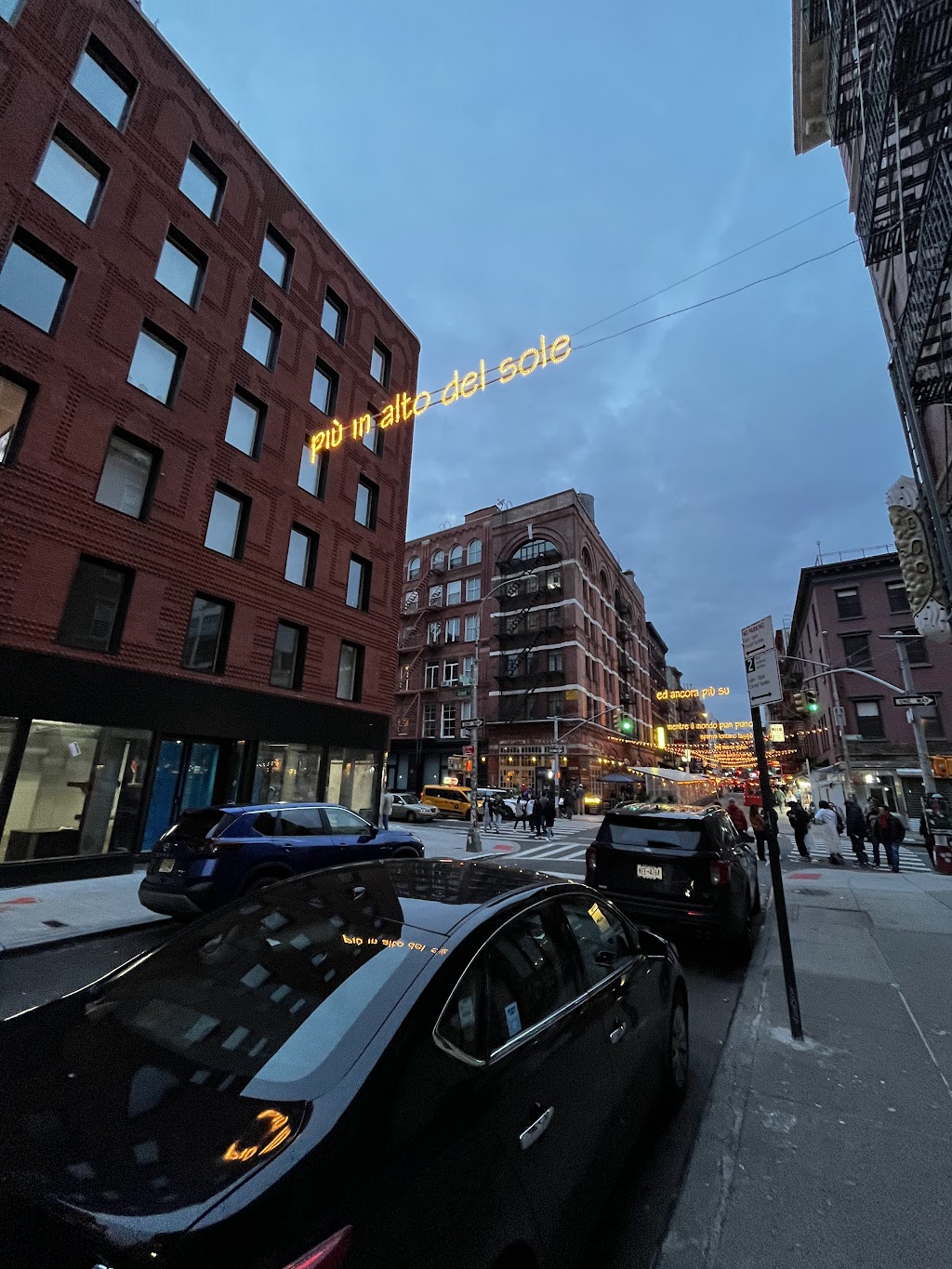
This is, of course, an unrealistic and impractical position. We do not have infinite time; in fact, we have very little time, and thus we must try and save as much as we can of it. I agree, of course, and yet I still try and disregard sentences where writers try and "sum up" their experience in a city through a particular incident. The city is always more than a single experience. A single story, a single chance event. No way should we be fooled by randomness.
This seems to be exceptionally true about New York City. In my week there, I imagine I could chance only some of its multitudes. Summing these up seems like an impossible endeavour.
To step into the most common cliché about the city would be to describe it as fast-paced, and lament about the hurry everyone seemed to be in. To me, everyone seemed to be in a normal, familiar amount of hurry. Perhaps a function of the time of year I was there in, or a commentary of the nature of the city, but I found very sparing displays of people actively engaged in leisure. In that sense, it fit the bill as the biggest of big cities, faster than fast-paced.
A majority of the impression a city has on you depends on the intrigue it builds. This can often come down to the names of its neighbourhoods, the diversity of its architectural styles and the geometry of its road network.
The neighbourhoods in New York ("boroughs") have names which sound familiar because of films and TV. "Hoboken". "Brooklyn". "Queens." "The Bronx". "Harlem." (Remember the Harlem Shake?) Despite the superficial familiarity, the names symbolise a city containing varied histories and competing narratives, as against cities created on blank canvases by great grand civilzing forces.
Amongst these boroughs is also "Manhattan". I remember hearing about it as a kid - its expensive houses and tall buildings – even before I knew what it was, or where it was. An introduction was finally being made.
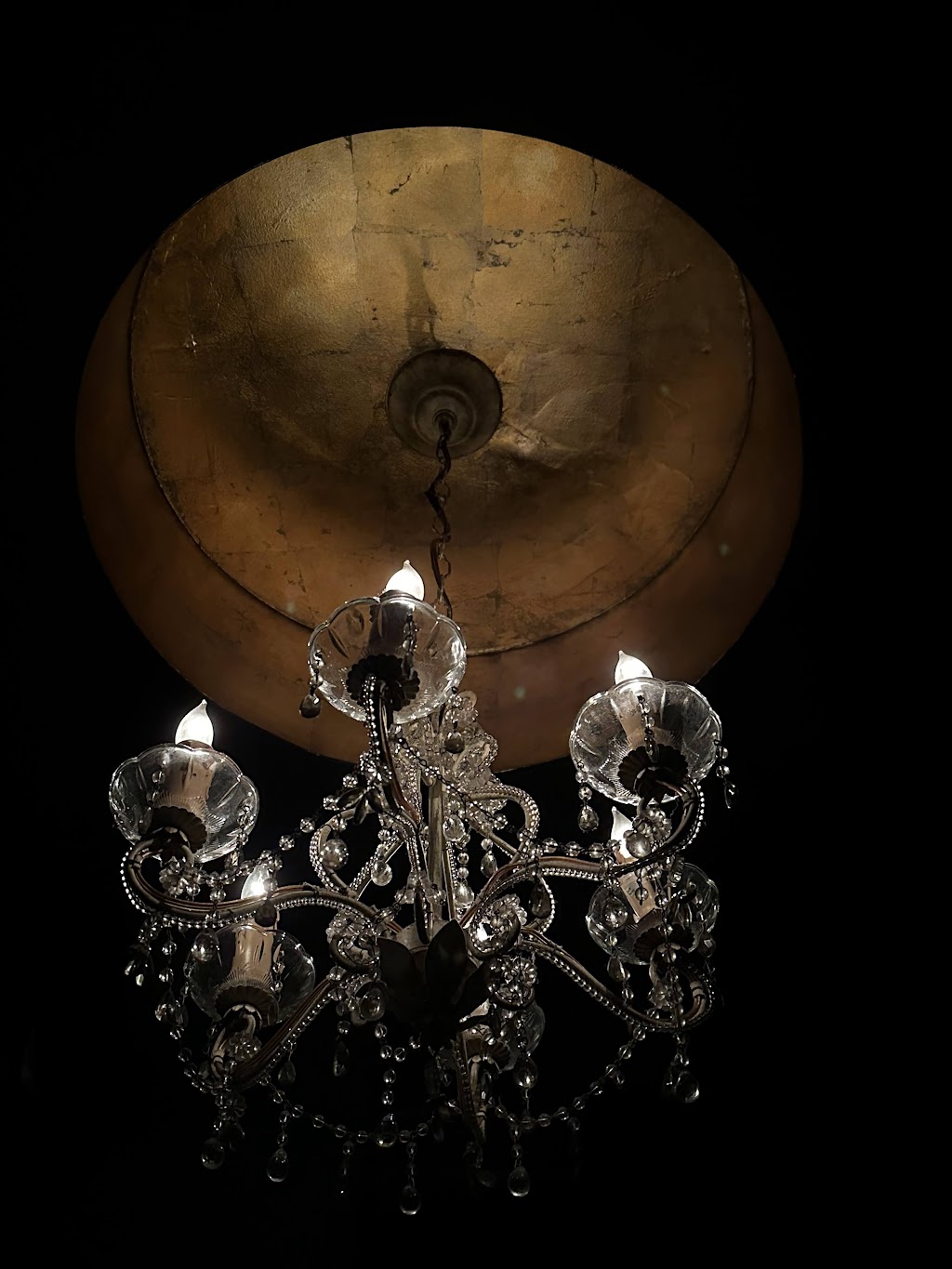
In Julian Green's Paris, a particular passage talks about introductions with big cities:
Until you have wasted time in a city, you can not pretend to know it well. The soul of a big city is not to be grasped so easily; in order to make contact with it, you have to have been bored, you have to have suffered a bit in those places that contain it. Anyone can get hold of a guide and tick of all the monuments, but within the very confines of Paris there is another city as difficult to access as Timbuktu once was.
Julian Green, Paris (translated by J. A. Underwood)
While trawling around for nothing in particular in Manhattan, then, what seemed obvious was that a large portion of the world's wealth lives here: a few square kilometres of tall buildings that serve as a better marketing ploy for the US than any other campaign ever devised.
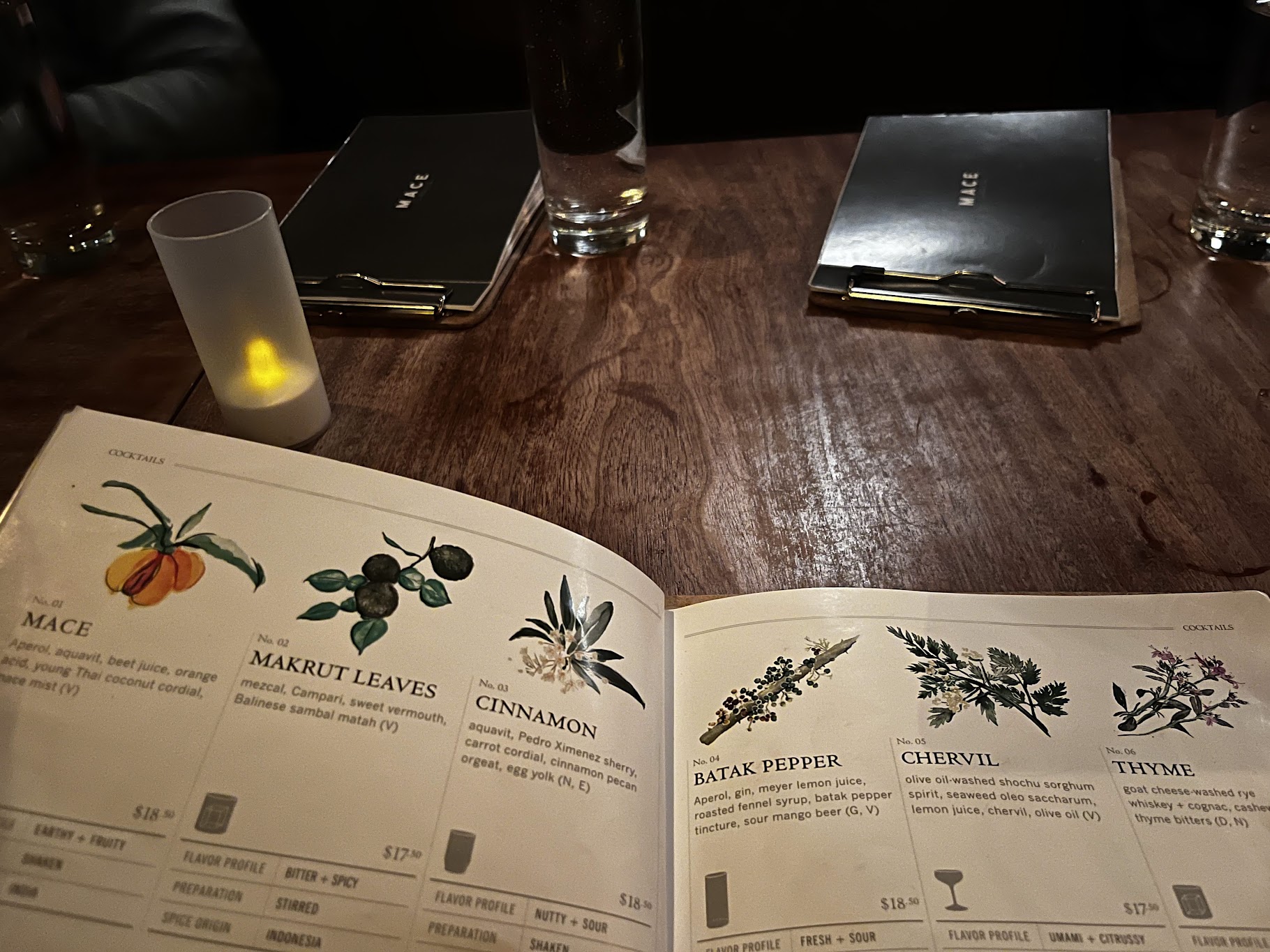
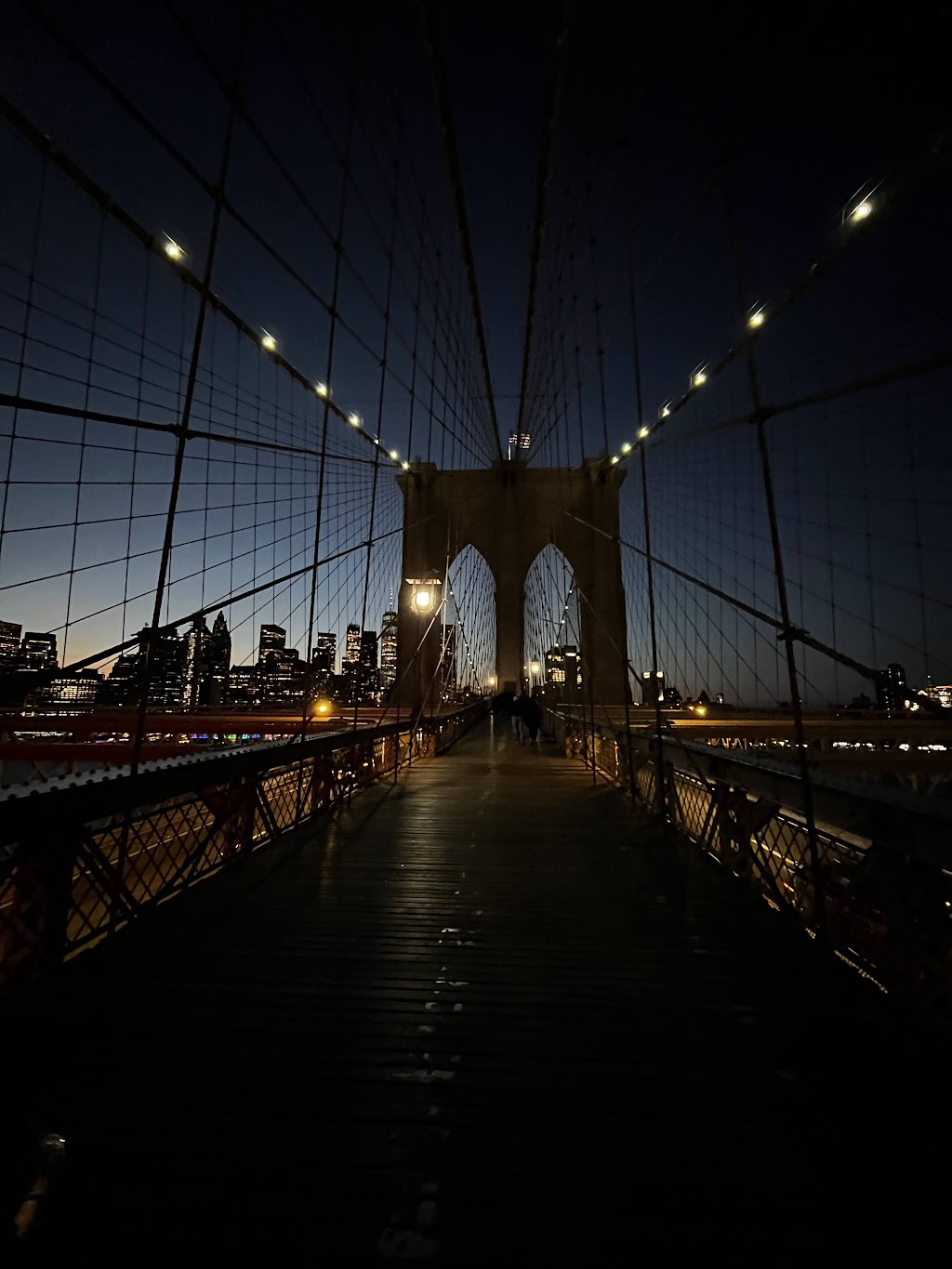
I distinctly remember the views on the Manhattan side of the Brooklyn Bridge as being a class of experience I hadn't come across ever before. What a fantastic arrangement: to build a space for pedestrians to safely cross the East River – that separates Brooklyn and Manhattan – at a height sufficient enough to get perfect views of the skyline.
To be canonically established as "big", a city must be able to successfully overwhelm any individual who comes as a visitor. It must evolve an experience wherein an individual willingly agrees to defer to it; to recognise its sovereignty over themselves.
In a moment of appropriate timing, I remember recognising the views from the Brooklyn Bridge as such an experience, while Jay-Z's paean to the city played in the background.
Going nowhere and doing nothing is not the only type of travel in the world, and thank God for individuals who make plans. Left to my own devices, I could spend a month in any city driven only by serendipity. Generous hosts and long-time friends meant that I could sample a lot of the city's dining and entertainment possibilities.
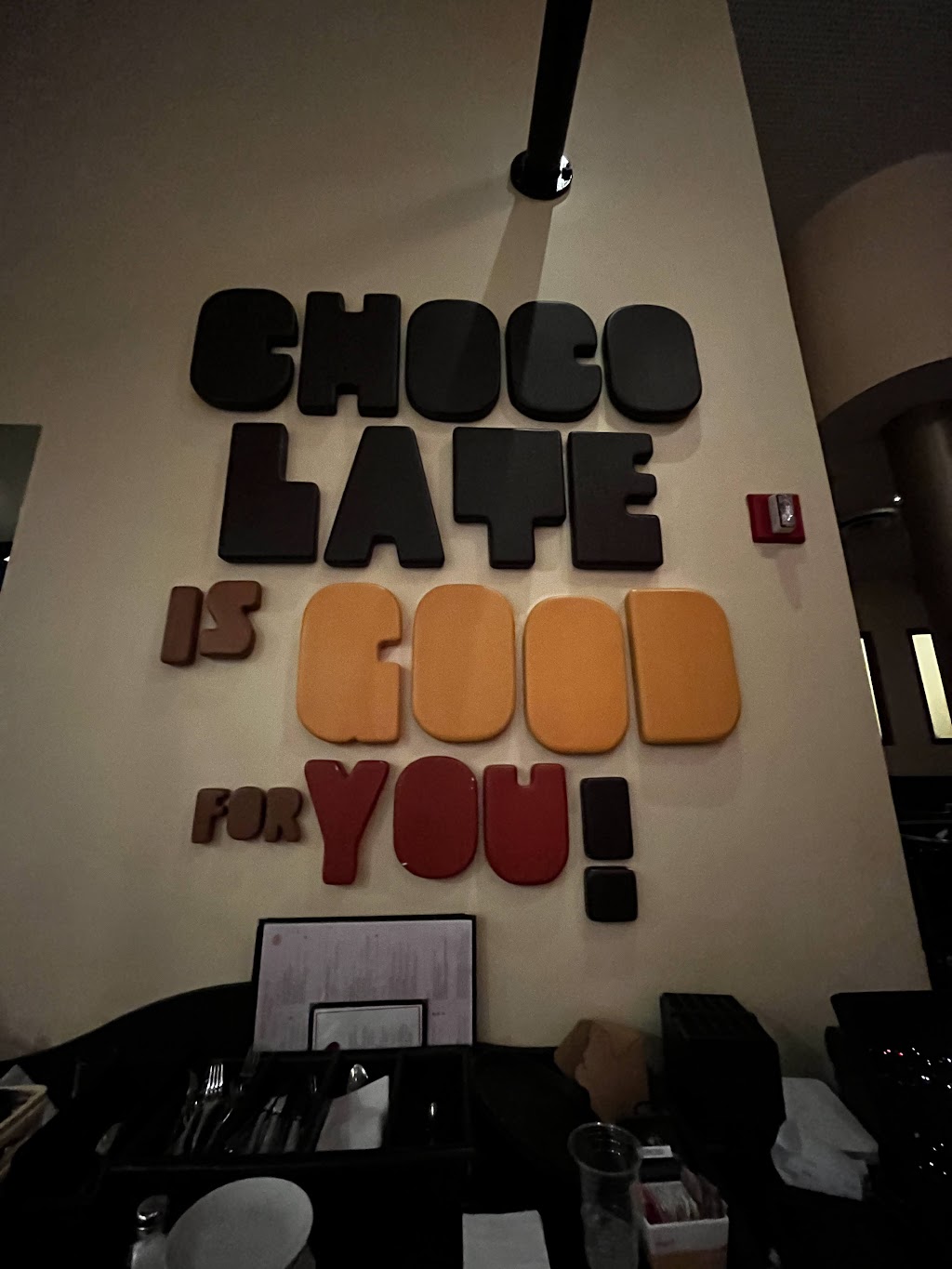
Chief amongst those - personally – was Max Brenner's chocolate restaurant, which was an establishment straight out of Willy Wonka's factory. My hosts mentioned running into a particularly New York experience at that establishment on their previous visit: a squad of fire department workers being greeted by a standing ovation when they entered, perhaps at the end of their shifts. A culture of gratitude that, I am told, has its origins in the aftermath of 9/11.
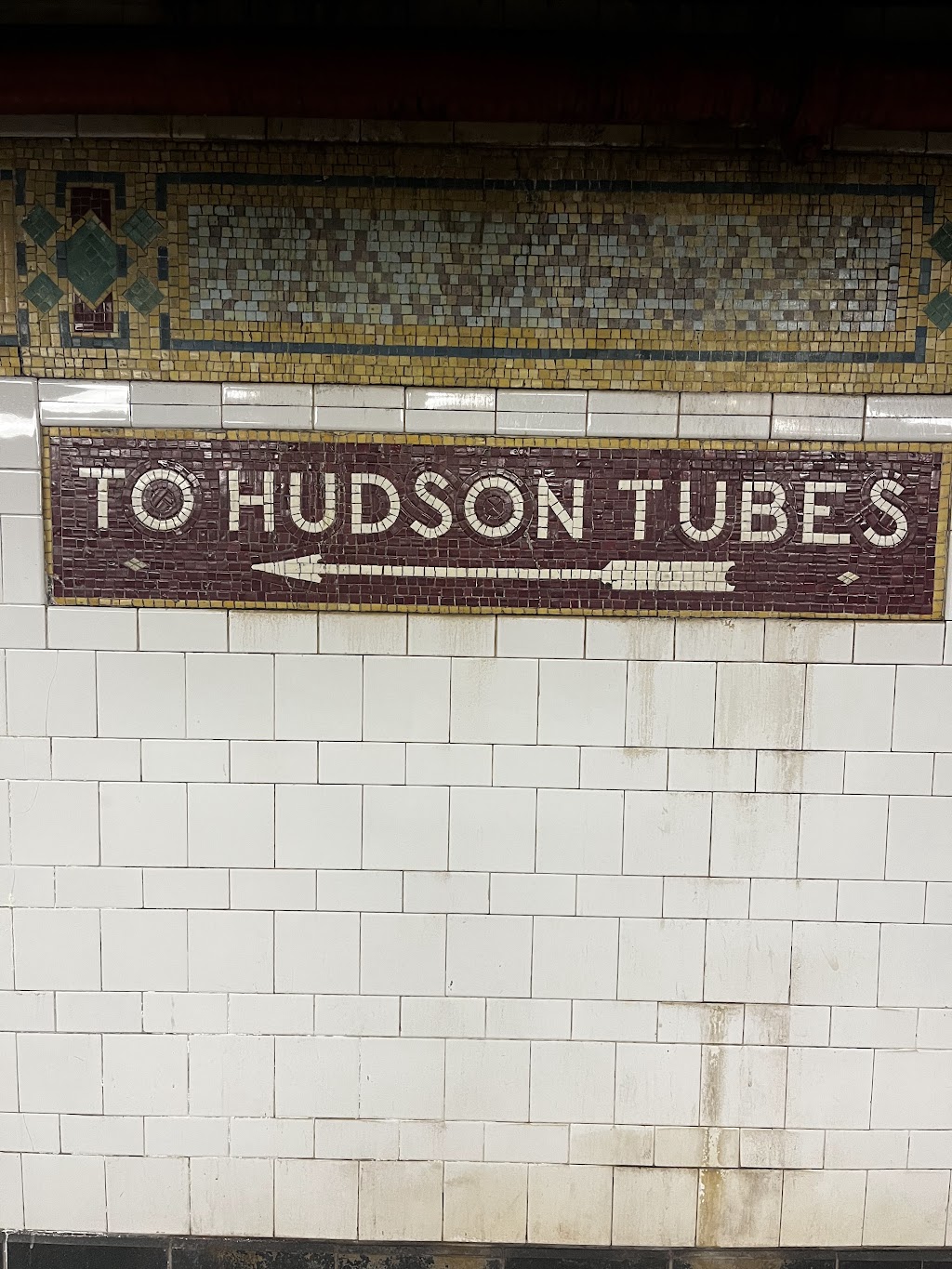
The most "New York" experience that I personally ran into – and this might be an aggravating stereotype for some – was managing to get a miraculous walk-in entry at a speakeasy. Multiple groups of people had walked by, while we waited, saying out loud to themselves that there was no chance of getting in.
Death and company? Forget about it.
We did manage to find a nice, corner table and spent a few hours photographing the establishment's medieval dungeon interiors.
At the end of the night, a choice presented itself: walking to the nearest station to take the subway home, or getting a cab. After a long day of walking around the city, a yellow-cab offered reasonably-priced refuge.
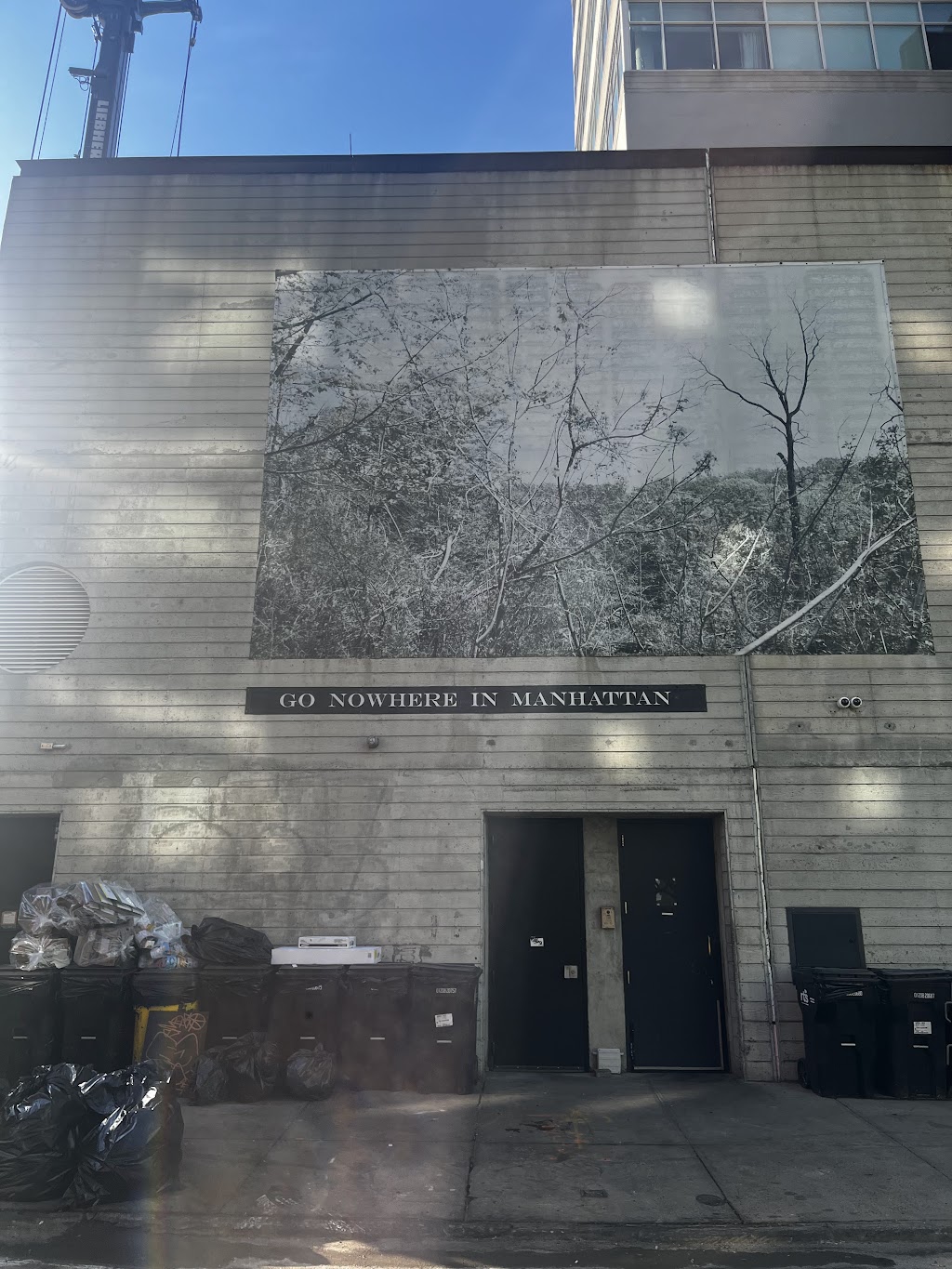
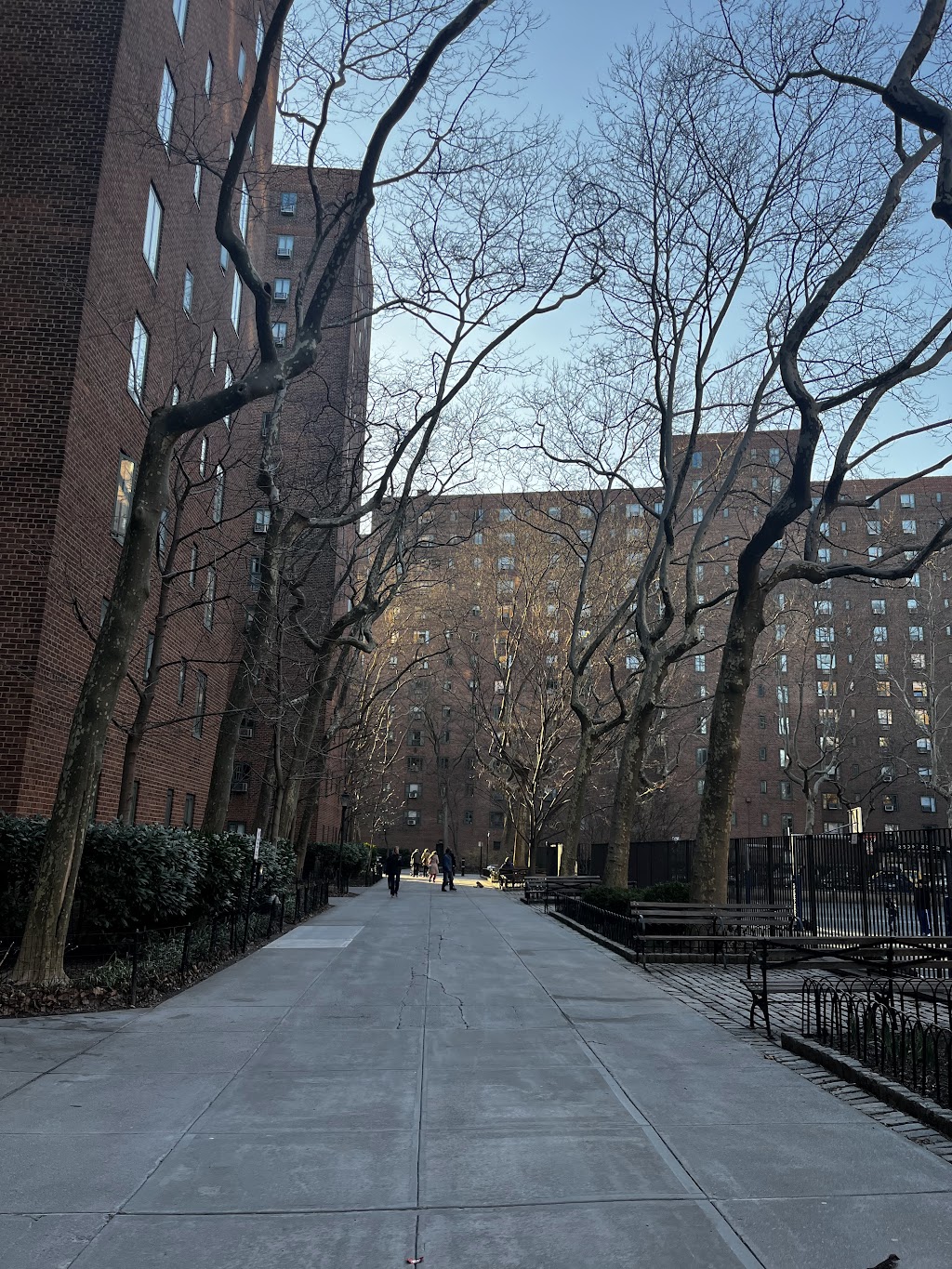
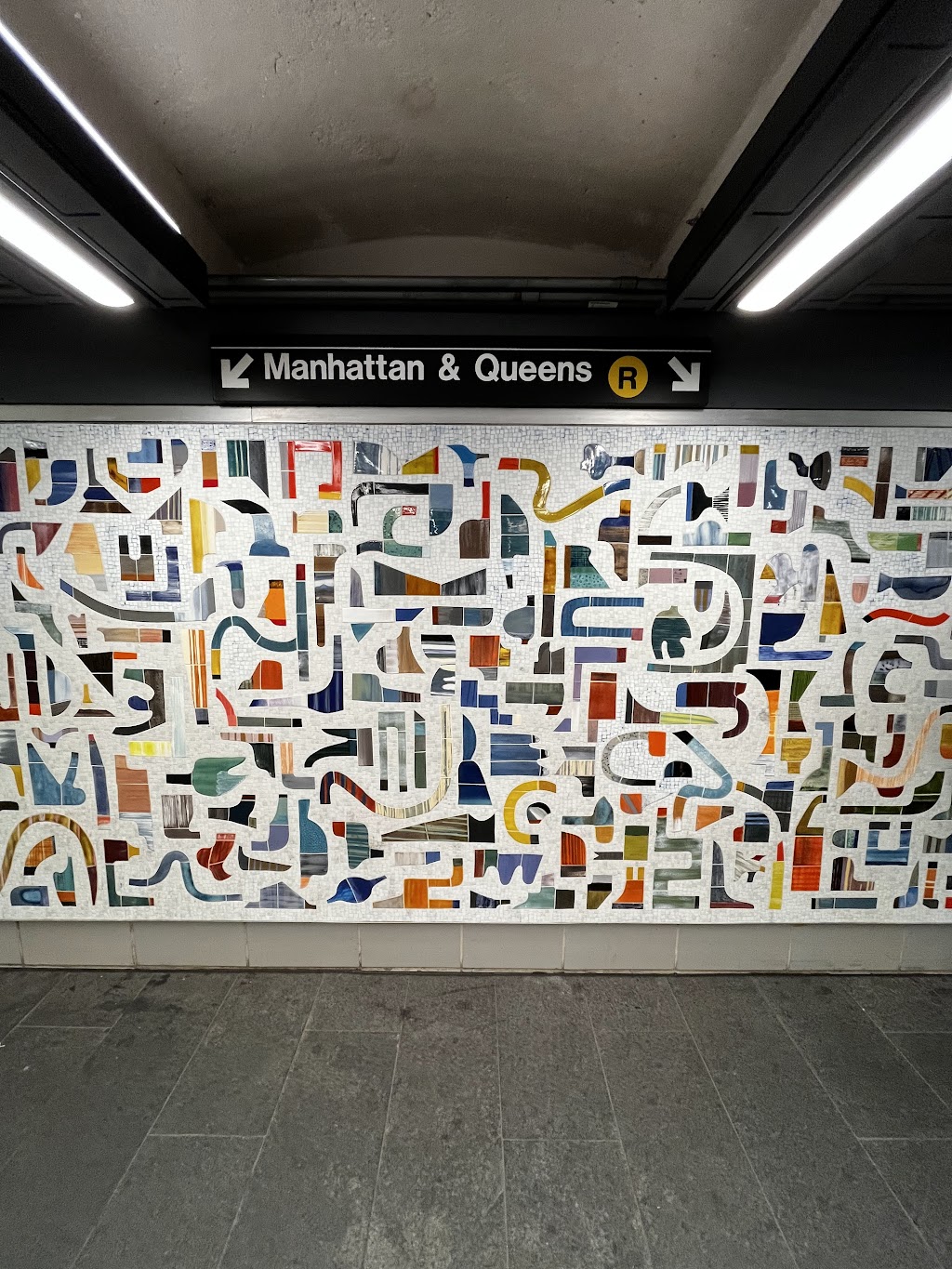
Yet, it is in the walking and the subway that the city most differentiated itself from other cities of the US to me: these are its most endearing and empowering parts. You are permitted to rub shoulders with people of all sorts and varieties. I imagine the ultra-wealthy do exist in their own bubbles, but the city does well to hide this from everyone else. Public infrastructure is good enough to get even the very wealthy to walk and take the train. That is as big an achievement in city building as any. We could walk through housing districts with buildings that looked as if they had been directly transplanted from within Delhi's India Habitat Centre, and market districts where we found a paneer sandwiches as good as any I have had anywhere, which in itself is such an odd thing to say out loud.
The weather was just about okay enough in March to be able to take these walks, and ambulate through the city's parks. The leaves on the trees hadn't yet sprung, so there was a sense of desolation through those spaces. The summer, I imagine, puts on a hopeful, leisurely kind of spectacle.
In summary, therefore, I came and left with an intention to return.