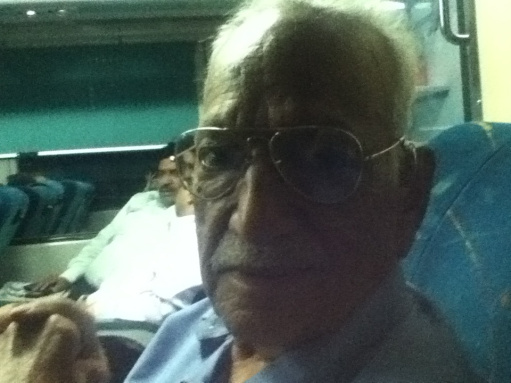
The first time I ever travelled by train, by myself, was a trip aboard the 12011 Kalka Shatabdi in 2012. Most of the people aboard were headed to Chandigarh, while I was making the full trip to Kalka; the object being a weekend in the hills with my cousins.
All north-bound trains from Delhi would, upon entering the northern suburbs of the city, present vast swathes of openly-dumped garbage as scenery to its passengers. The situation today is better, but only just. Countless conversations between co-passengers, I imagine, would have found their beginnings in an expression of anguish at that particular sight. So began a conversation with the elderly man seated to my right.
I do not remember much of the early parts of what he said, save for a determined optimism about the city, and a hope that it could yet be saved if the government got its act together. As the inhabited regions outside were replaced by tracts of farmland, the train picked up pace. Taking cue, so did the conversation.
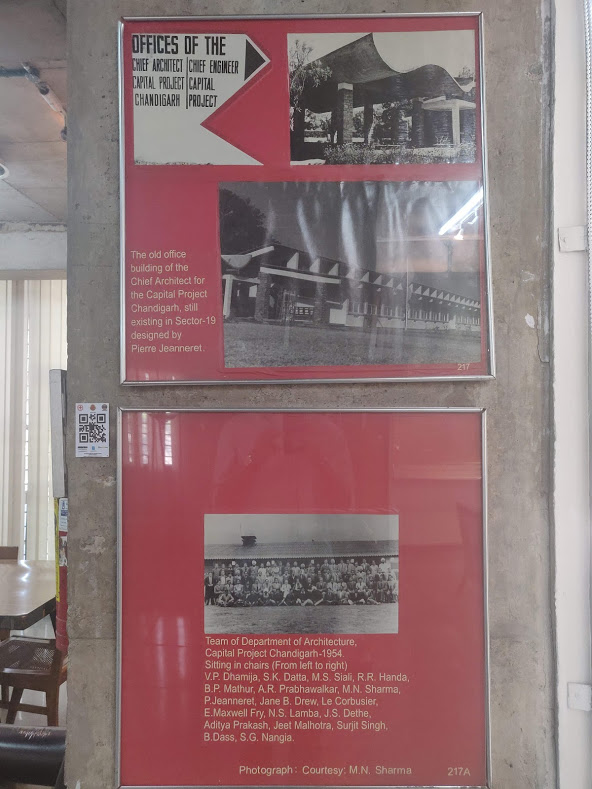
He told me that he was travelling to Chandigarh with a film crew from Canada – a few members would periodically come and check up on him – who were shooting a documentary film. He had been an architect; having worked for a large phase of his career on the Chandigarh project with Pierre Jeanneret – the city’s first chief architect – a name I was hearing for the first time.
There is a typical, unmistakable manner of the eager storyteller: they do not pause to gauge the audience's response; the narration is reward enough. He skipped from one story to the next, as if keeping pace with the sequence of stations that passed us. I was overwhelmed, but remained eager.
Of all his stories, two stood out sufficiently for me to be able to remember seven years later. The first about his meeting with Nehru during his time assisting Jeanneret, and the second about his son – a lawyer at the Supreme Court of India – and how he had fought for the victim’s family in the Ruchika Girhotra case that had made headlines in 2009.
I am positively certain that there were other fascinating parts of the roughly four hour long conversation that are now lost; this confidence is partly due to a realisation, delayed by many years, about the stature of the man I was beside. Thankfully, I managed to remember his name.
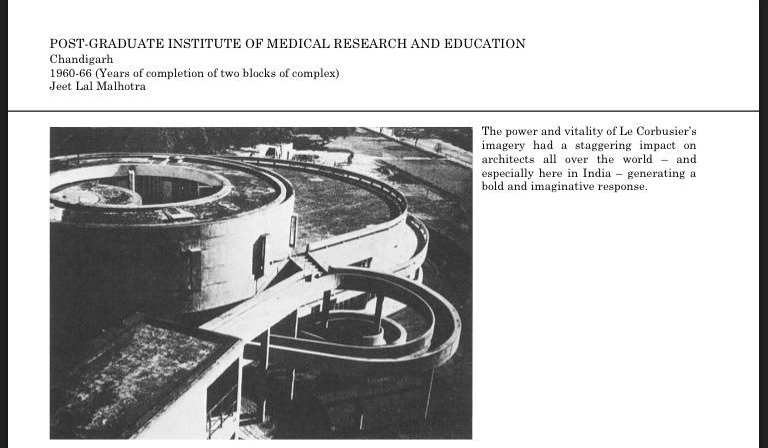
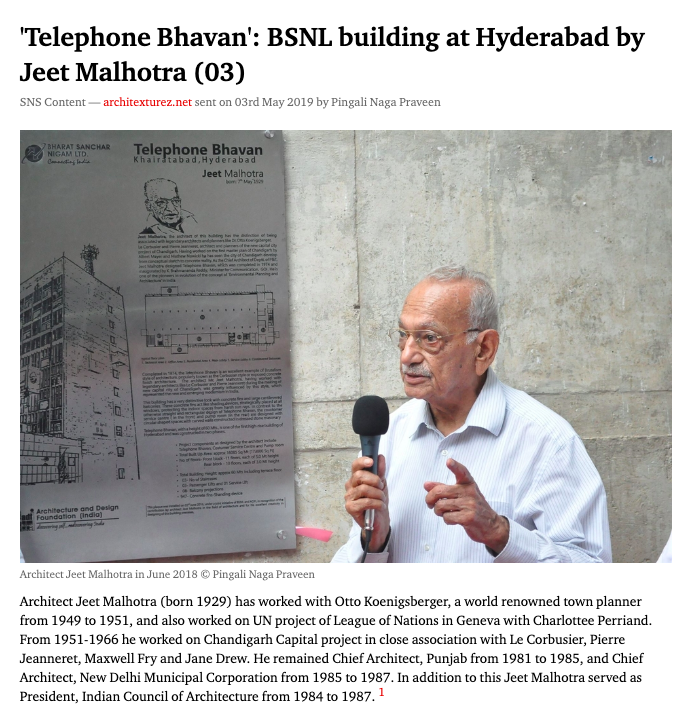
Jeet Malhotra is a constant, significant presence across the architectural history of our nation. In the beginning of his career, he worked with distinguished architects on the League of Nations project in Geneva. Post his contributions to the Chandigarh Capital Project – which earn him multiple features in books and museums dedicated to that subject – he would go on to serve as the Chief Architect of Punjab, and eventually as the Chief Architect of the New Delhi Municipal Corporation. I had almost never bothered to find all of this out; an evening of searching was triggered by finding his name in a book on Indian architecture a few years ago.
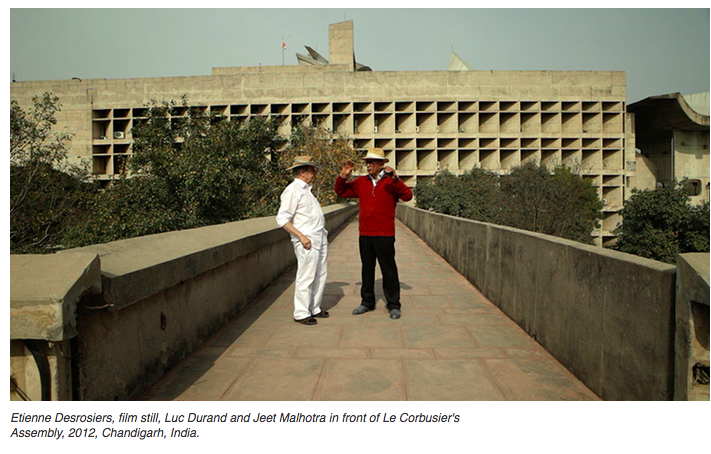
We eventually parted at Chandigarh station, and he extended an invitation to visit him at his Vasant Vihar residence. Although I never took it up, it was an incredible gesture; one that made me realise the great power of always being unexpectedly kind.
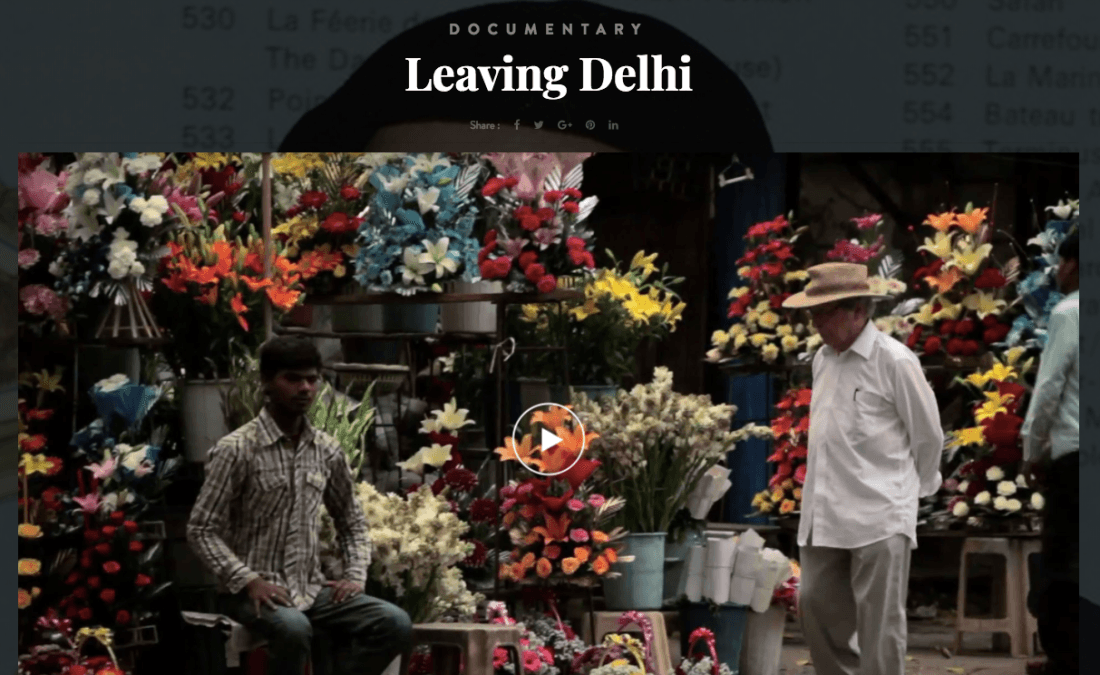
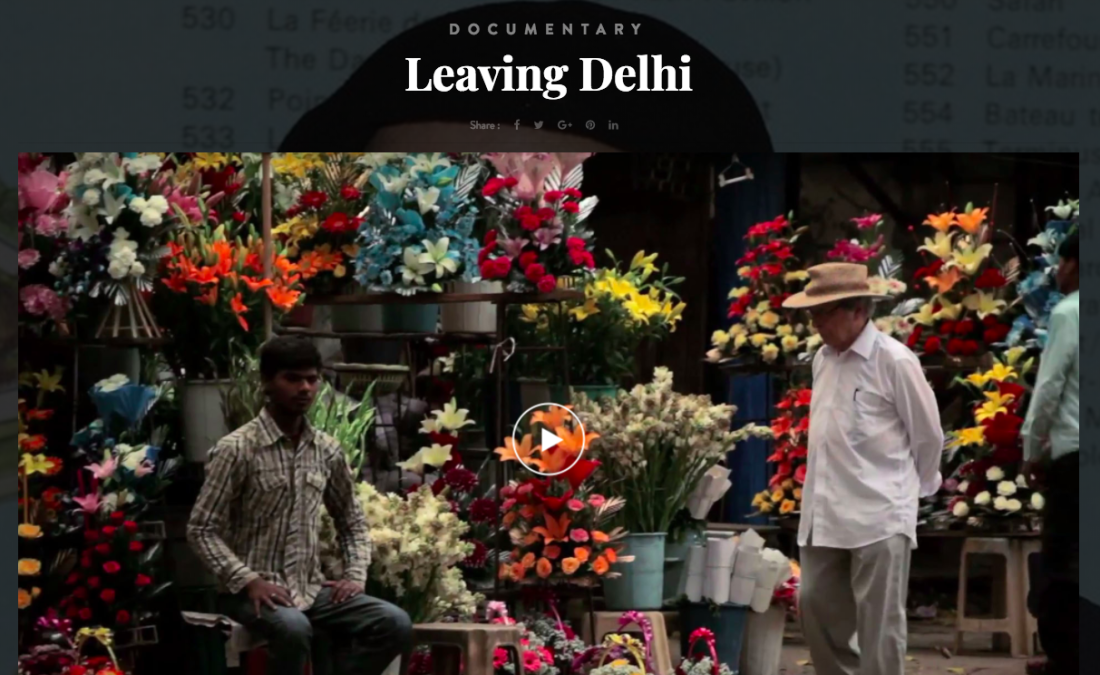
The entirety of this episode has played out in multiple parts; from the first time I wrote about it, I have discovered a new detail every six or so months. Very recently, I found out that the film he had been travelling to shoot for was an architectural documentary titled "Leaving Delhi"; all that is available about the film on the internet is its trailer. Thus, what remains is to be able to watch it completely and tie all ends of this story together.
Coincidentally, I have continued to frequent the Kalka Shatabdi over the previous three years; now for a shorter and decidedly unromantic home-bound commute. More often than not, on entering the coach, I remember the extraordinary debt of gratitude that I owe to the Railways' seating algorithm since 2012; uninteresting, or worse, unpleasant co-passengers are thus excused.
Despite having no similar fortune ever since, my affinity for train journeys remains set in stone. An undying anticipation of running into an extraordinary co-passenger has preceded every journey I have taken, ever since. Apart from all his buildings, it is this optimism that he is also the chief architect of.