The first ever winter olympics were held in 1924, in a little French town called Chamonix (शाम-ओ-नी), situated at the base of Mont Blanc.
I knew of Mont Blanc as the company which made really expensive pens all through junior school. Later, in French class, I found out about it being the tallest peak in Europe.
On a nonchalant walk to a team-building activity on day one of a company "retreat" in Chamonix, our guide casually pointed eastwards to a fairly round looking peak.
"There's Mont Blanc."
Memories of French class, pens and quizzing club came rushing in to the mind.
In the following three weeks which I spent in Chamonix, Geneva and Porto, moments of this sort occurred frequently.
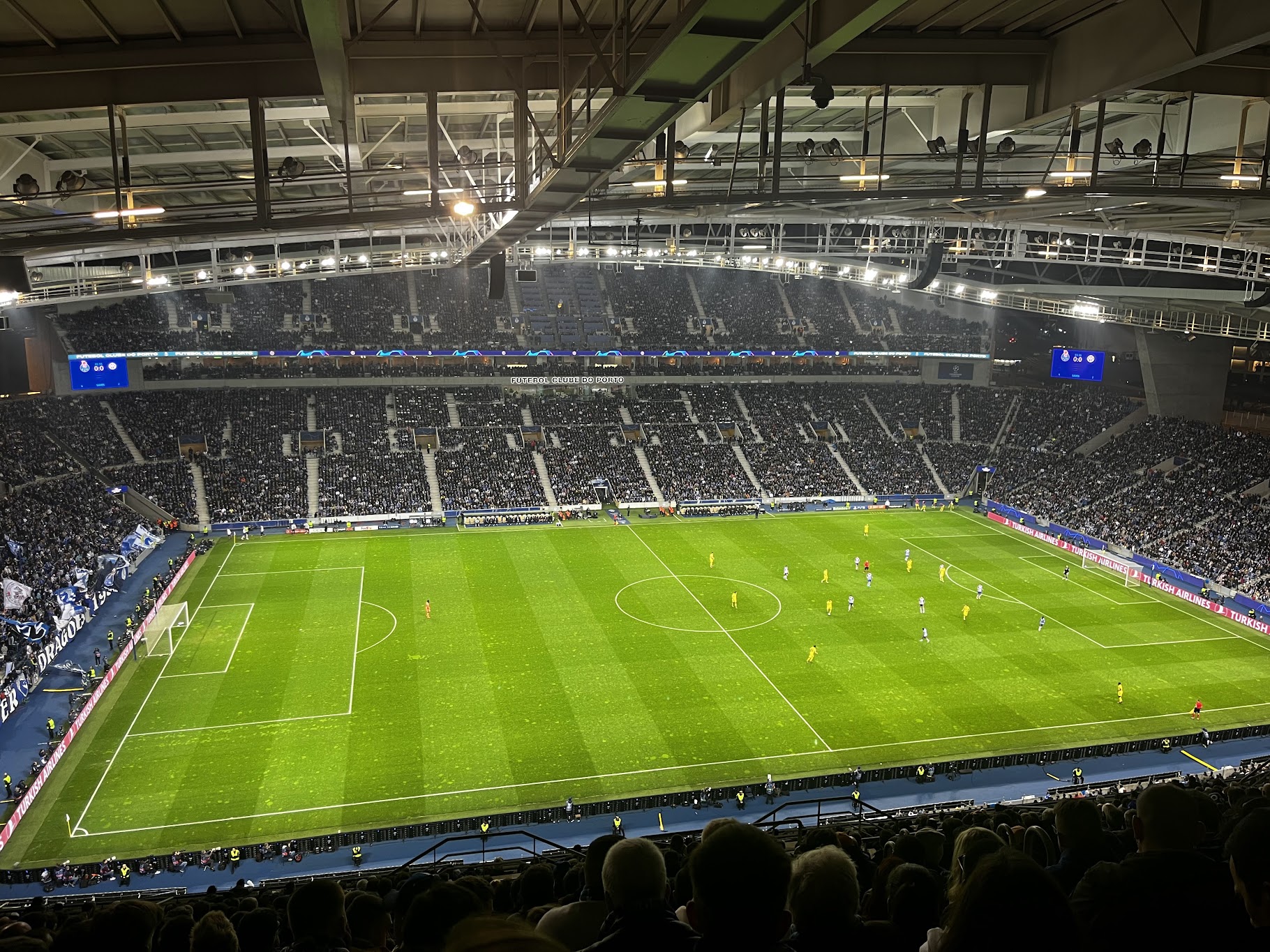
The sharpest of all of them happened when I was handed a printed copy of a ticket I had booked online weeks ago. It had on it a logo I had only seen on television screens thus far in life.
There is no denying that holding something in one's hands is far superior an experience to looking at it through a screen. I've felt it often: trying to study through electronic textbooks, reading e-books or browsing through digital newspapers.
The "Champions League" logo on that piece of paper created a moment similar to the one in Chamonix.
In literature, I've seen these moments being called as "Proustian", after the French novelist Marcel Proust.
They refer to moments where an external stimulus involuntarily brings visuals to the surface of the mind; memories we didn't know we had.
Although I enjoyed my time in Geneva, no such Proustian moment occurred to me in that city. I think my mind was busy coming to terms with how expensive living there could be.
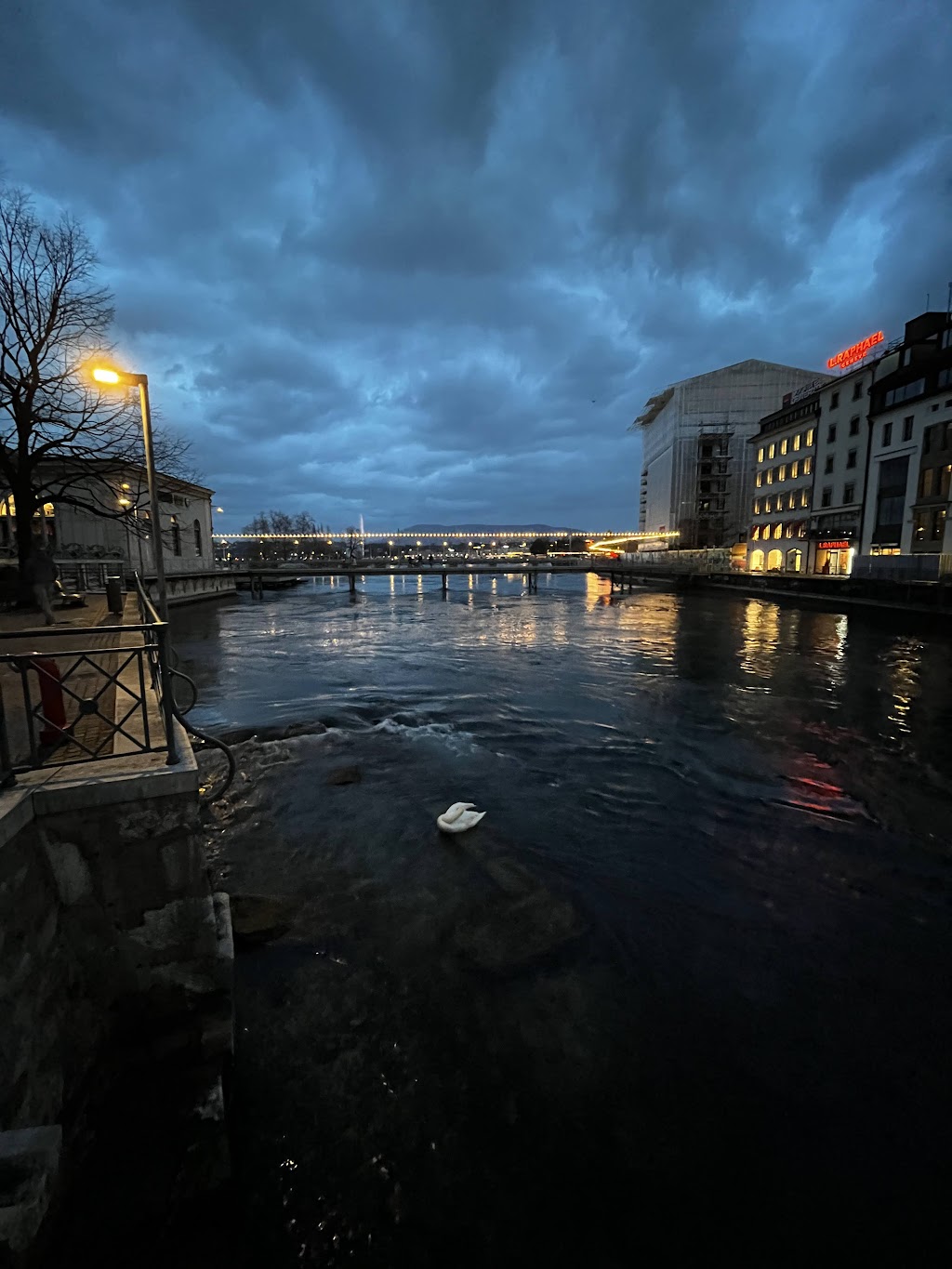
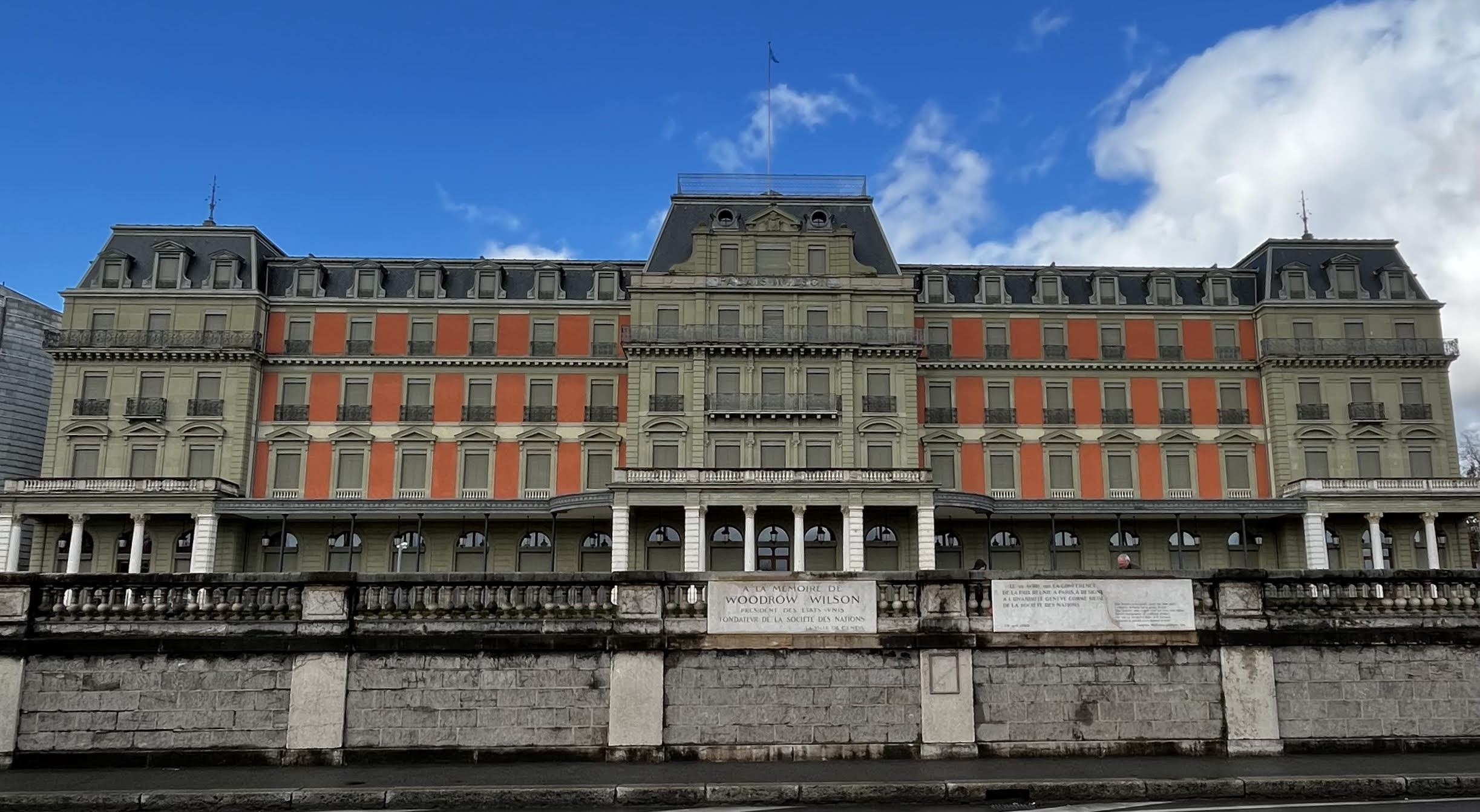
It makes sense then, that a large part of the city is owned, controlled and operated by the world's most powerful. Headquarters of international bodies, streets of expensive watches, hotels where wars ended – there is a sense of history in the city. Perhaps that is why it wears a melancholy look on most days.
Except days of sunshine - the one day of sunshine I had in Geneva saw almost the entire city come out to the lake front to swim, sunbathe and make as much hay as they possibly could.
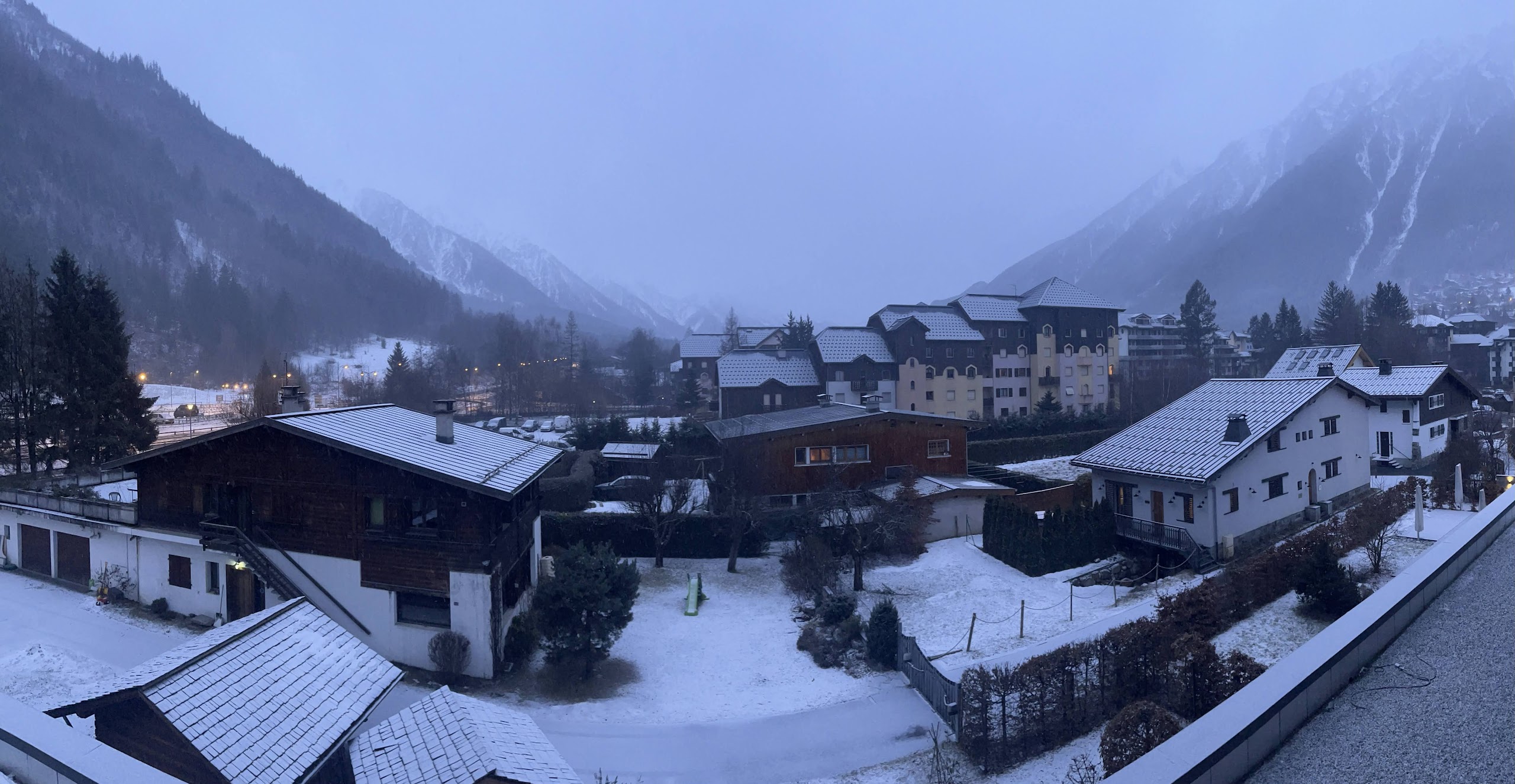
The weather was similarly hit and miss throughout the three weeks: our time in Chamonix saw unwanted sunshine days but also days with avalanches. Truant climate meant that a planned paragliding exercise could not be done, but we did manage to get in a few skiing courses.
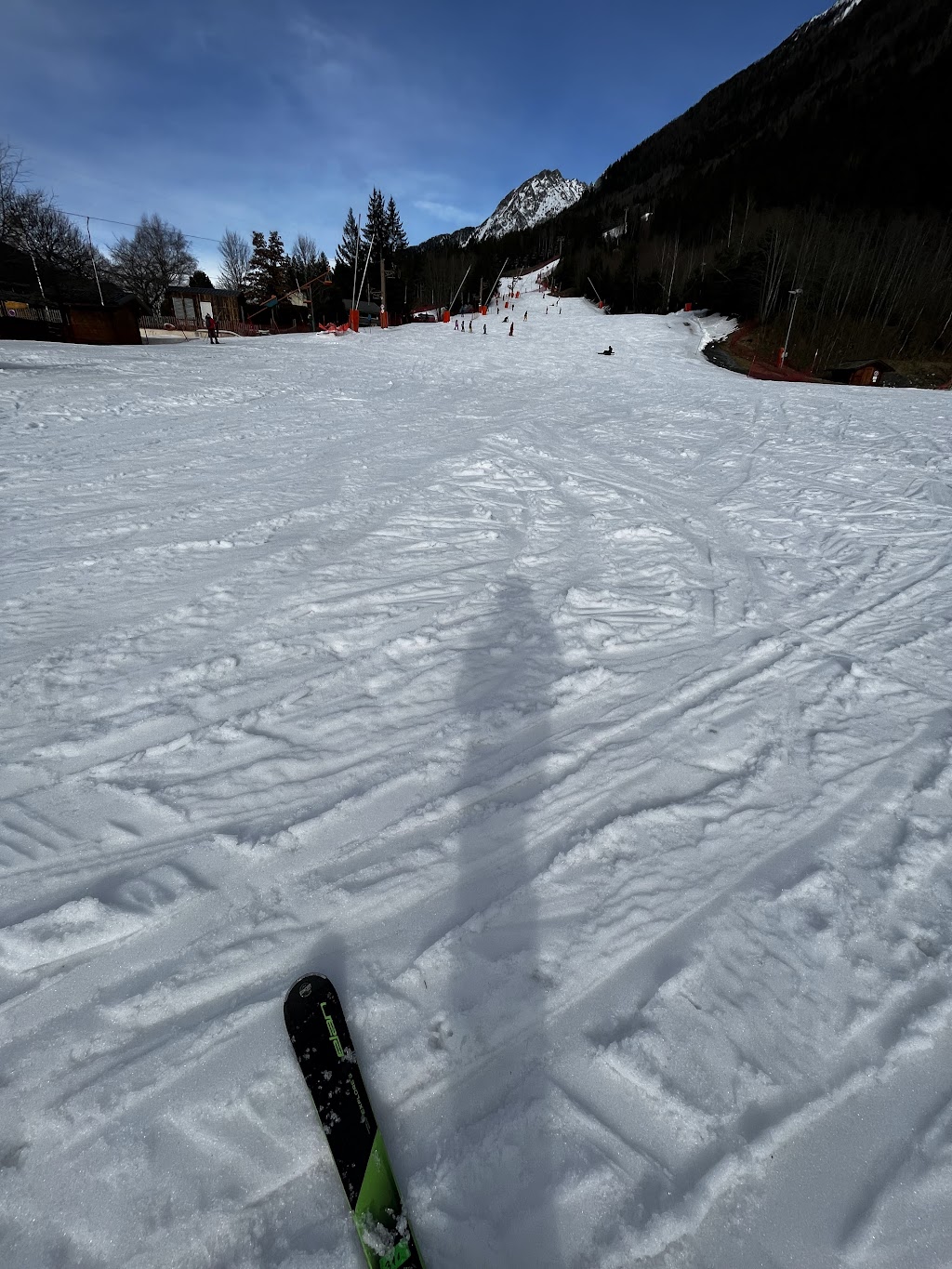
There are two types of skiing: cross-country, which is easier to learn since it doesn't involve slopes. It's also more risky since you fall more often (I did many, many times) when trying to propel yourself.
Alpine skiing is the one I had in my mind when I was told we were going to be skiing. There is a range of difficulty in terms of how steep the slopes are - the hardest being the "double black".
At the end of two days, I turned out not to be the worst in the group, despite being upstaged by four year olds at many times during the process.
While I regard my willingness to appear stupid in public a strength, I count my inability to pursue a goal for very long as a major weakness.
I have long insisted that outcomes in life are arbitrary matters of chance, and that effort must be made for its own sake. This philosophy, while helpful in maintaining fortitude in the face of success and failure, sometimes allows one to disengage from outcomes altogether.
Working hard to pursue a goal is not without merit, since luck can often be manufactured through persistent effort. I even remember having an "exam board" in junior school – a piece of cardboard we would use to write on since desks were often uneven – which declared, "the harder I work, the luckier I get."
I think in becoming so outcome agnostic through the latter years of school and college, I had lost touch with the part of the self that had internalised this maxim.
There are, as I mentioned, benefits to this approach to life. It makes it very difficult to be disappointed: despite missing almost half the first ever Champions League game I bought tickets for – due to a riot at the entrance I was to go in from – and seeing the home team lose narrowly next to my friend, a die-hard Porto supporter, I still felt that I had had a magical experience at Estádio do Dragão in Porto that night.
In Chamonix however, after multiple hours of not giving up, the instructor declared to me that he felt I was finally good enough to graduate off the beginner slope.
A Proustian moment. A sense of pride at achieving an outcome through persistent effort: an emotion I had forgotten the shape of. The exam board reappeared in memory.
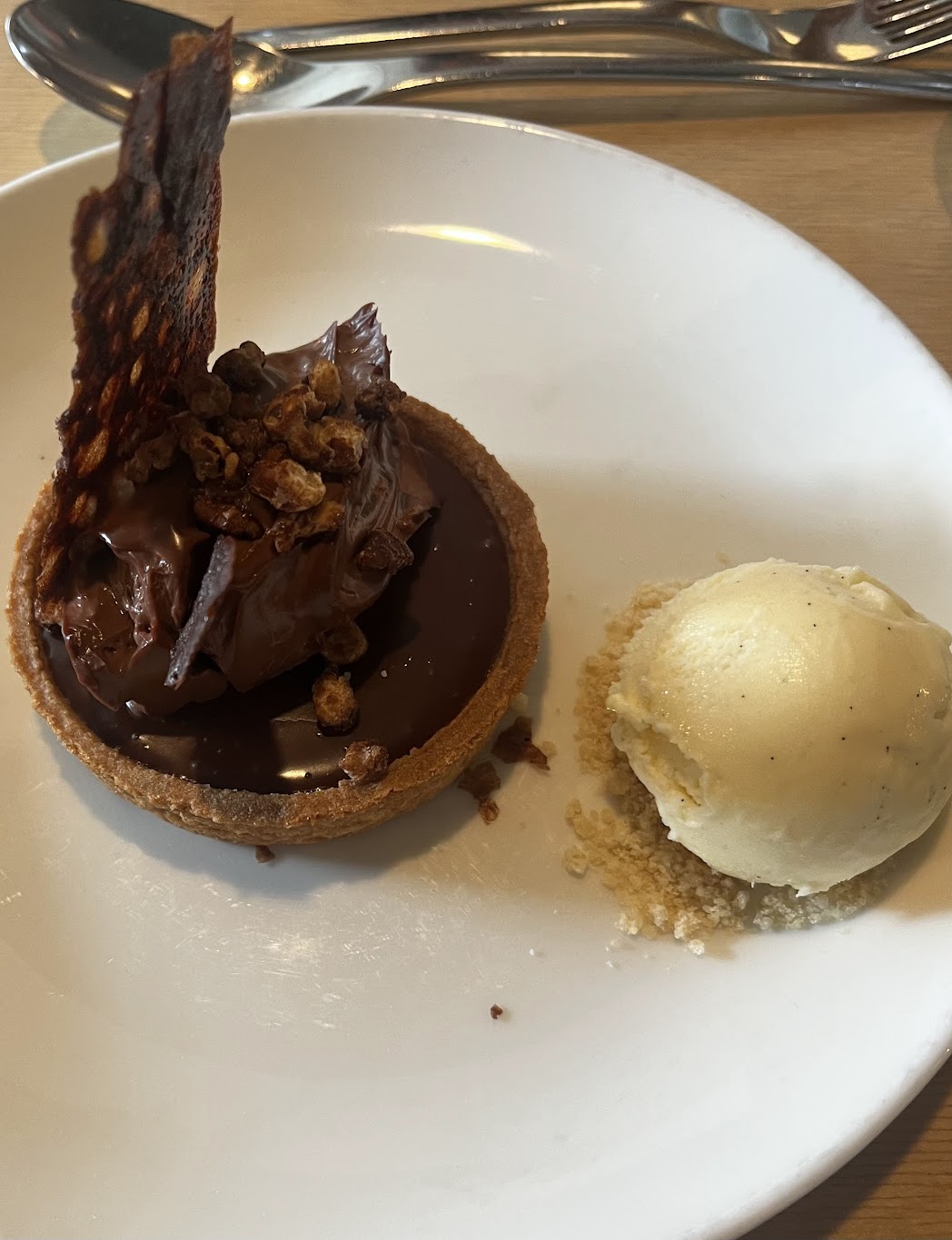
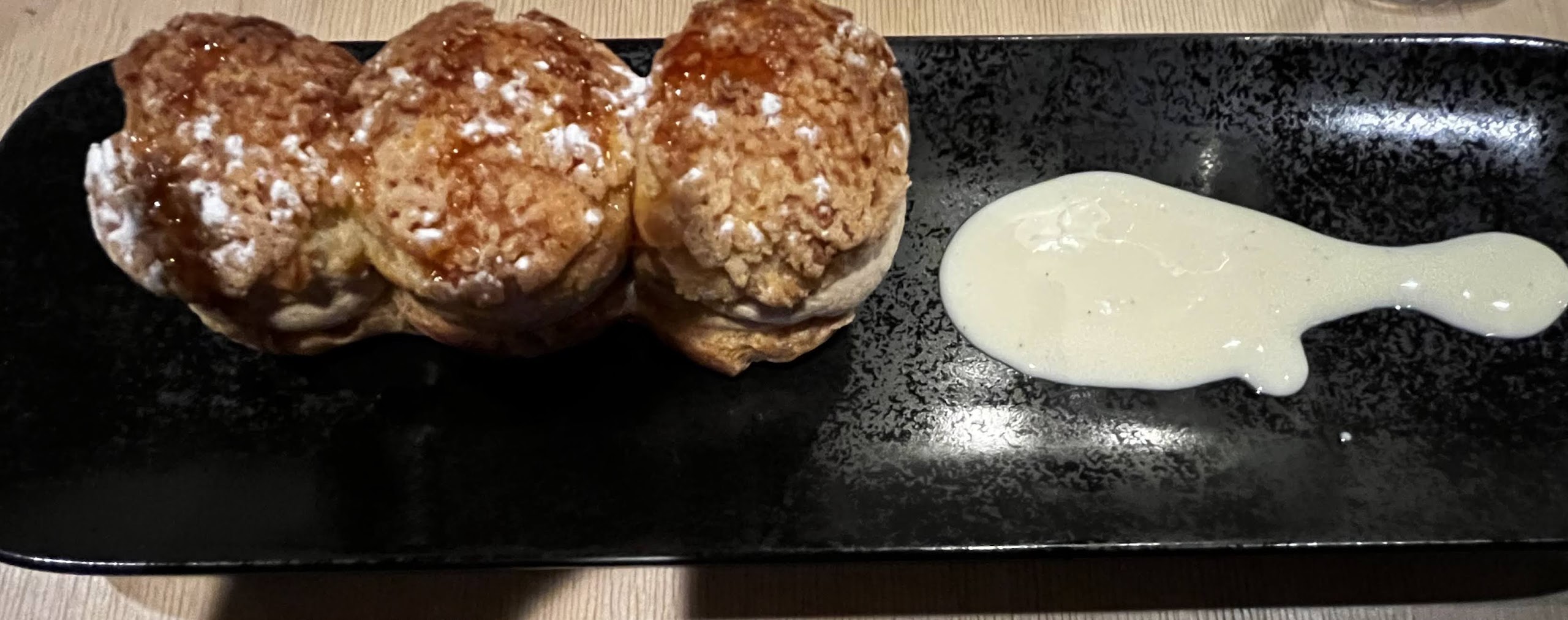
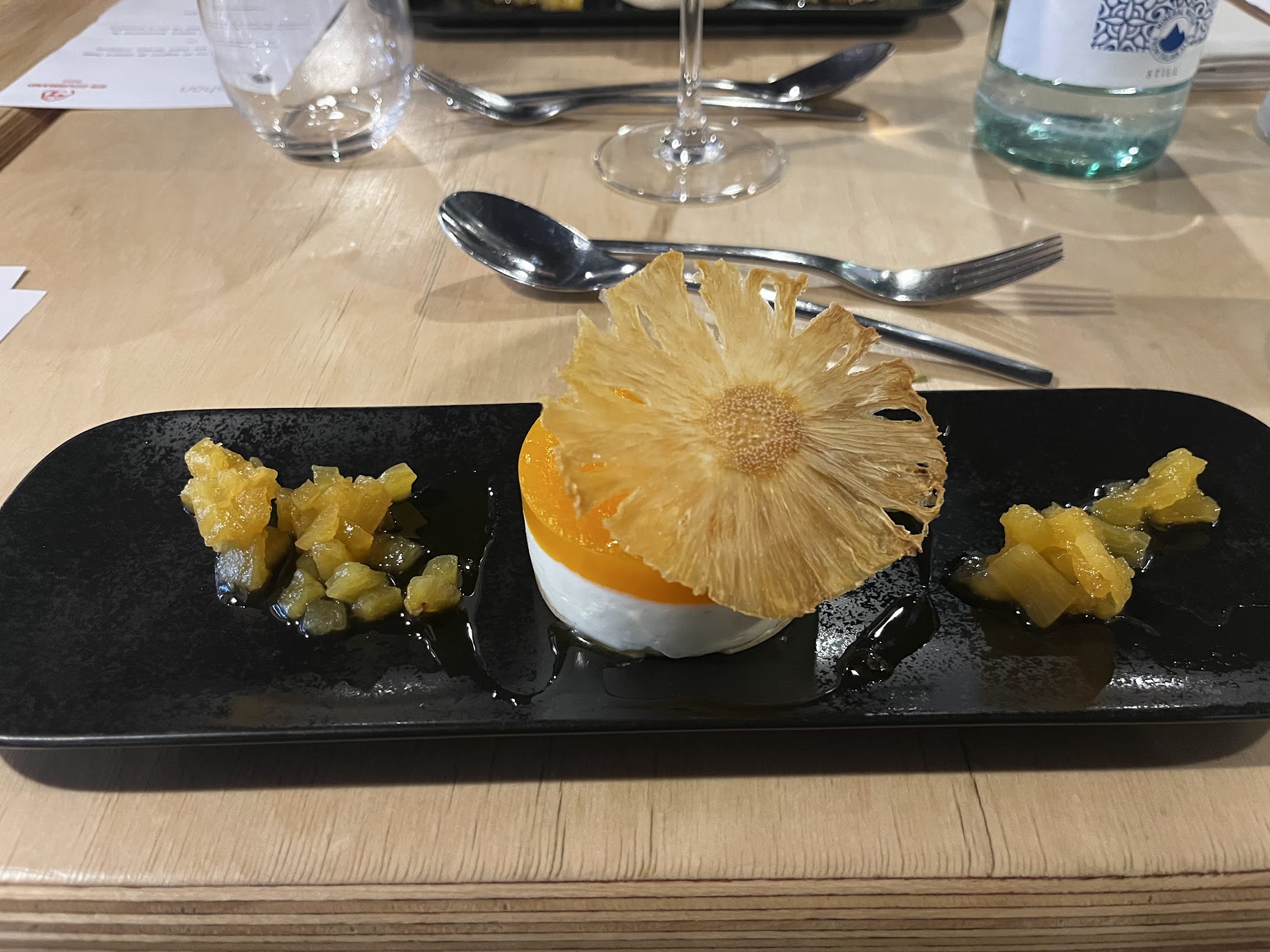
The luckiest part of the trip, funnily, were the desserts at Hotel Heliopic in Chamonix, which is where we were staying. The restaurant there was once featured in the Michelin Guide (not as fancy as having a star, but still good) and it justified the accolade: even for a lover of desserts and even for France, they outdid any expectations I could have had.
Porto too exceeded my expectations in multiple ways. It was warm – literally and figuratively – accepting, easy and – after Geneva – cheap. The food, cabs, public transport and hostels: perhaps just a tad bit more than what they would cost here in Delhi.
They even had a free walking tour of the city, which was one of the best tours I've ever been on. It started as five people being led by a guide; it ended with six people chatting amongst themselves about their lives, journeys and opinions about cities, and the city.
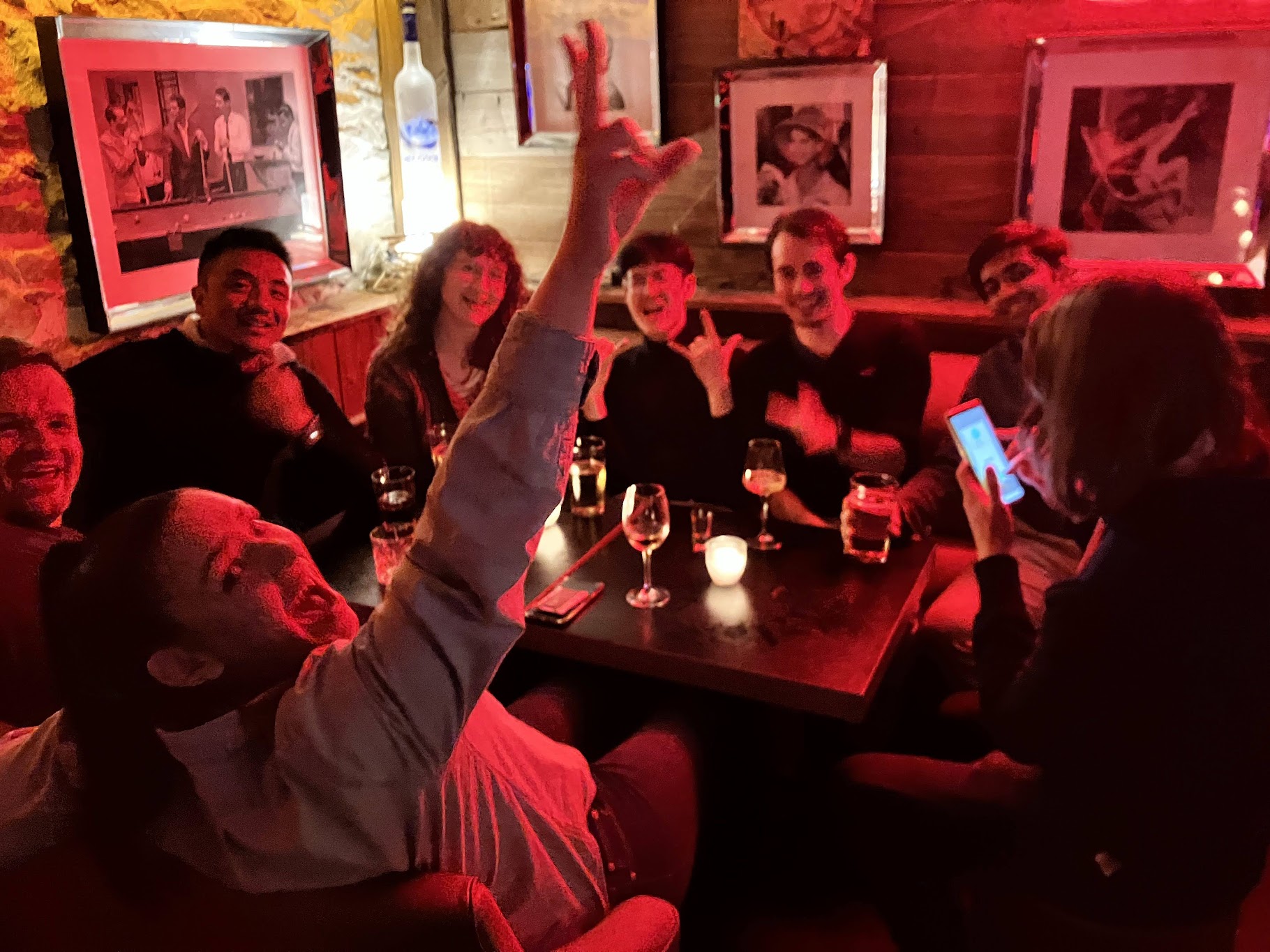
The same outcome occurred at the end of my week long retreat with team mates: we spend so long speaking to each other through screens, but in five days we go from tiles and pixels to people and friends.
All while sharing dessert.