
I’ve been trying to get a driving license for the past two years.
Not trying as in learning every day, taking tests and failing; rather, trying as in mustering up the determination to actually do any of those things. I haven’t yet been successful, perhaps because I don’t really want to be.
I finally did schedule a driving test the week before my flight to Paris a few weeks ago. I imagined being able to drive across Europe to be a superpower I would love to have over the next month. I had no specific agenda for the visit except seeing my colleagues in person for the first time across a few different countries. I wasn’t in search of anything in particular, but on the way back from a day at the Seine riverfront in Paris, I returned with a bittersweet realisation.
Before the pandemic, I was confident that I would never need a driver's license. I loved public transport and wanted to spend a life being happily dependent on it. Walking through the city and photographing every little curious thing I found on the way to Metro stations was life as I knew it.
Then March 2020 struck.
For us in Delhi, the second wave in April of last year was particularly traumatic. My family was hit as well, but we were fortunate to be able to come out relatively unscathed. Like most families, we never really spoke about what we went through, but, as if in deference to our good fortune, we all unanimously entered an implicit contract to avoid any avoidable indoor spaces. Till today, we have been unable to bring ourselves to violate it.
It has, thus, been two and a half years since I last boarded a Metro. That trip was made in January 2020, where I spent the entire duration thinking about – what seemed at the time – an important decision about the course of my career. It was the last semester of college, and worrying about the future was the flavour of the season. Thirty months later, the future has turned out to be vastly different from anything I could have imagined sitting in that coach. On paper, big changes have happened in life: workplace, industry, family. Life has gone on in the way I now know it does, and it is perhaps reasonable to say it has gone on fine even without the Metro.
On the way back from that day on the Seine, it is this terrible realisation that struck: Life had not gone on fine. A part of myself had been lost, and I had been completely unaware.
Accepted wisdom suggests that the sharper the loss, the more profoundly it hits. It seems to me that the most insidious kind of loss is the one that is unrecognisable. What is a worse way to lose something deeply valuable: being acutely aware of its absence, or a chronic loss that obliviates any memory of what was had?
I did not know what I wanted out of my time in Paris when I planned this visit - it was almost a compulsive decision which I didn’t have much conscious say over. I knew I liked the city a great deal based on three days I had spent here in 2017, but that was all I was going by. No real planning, no real itinerary. Slow travel.
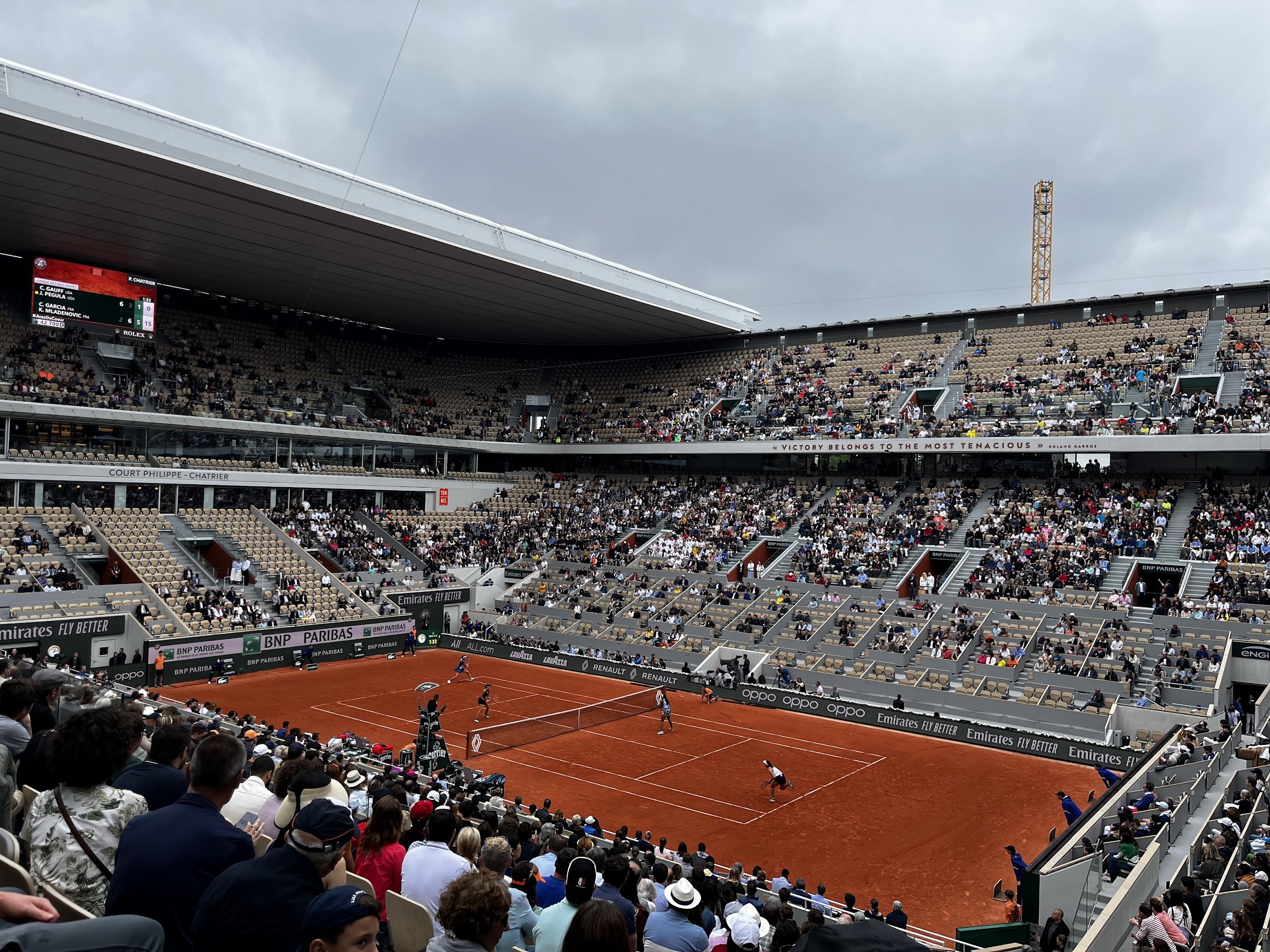
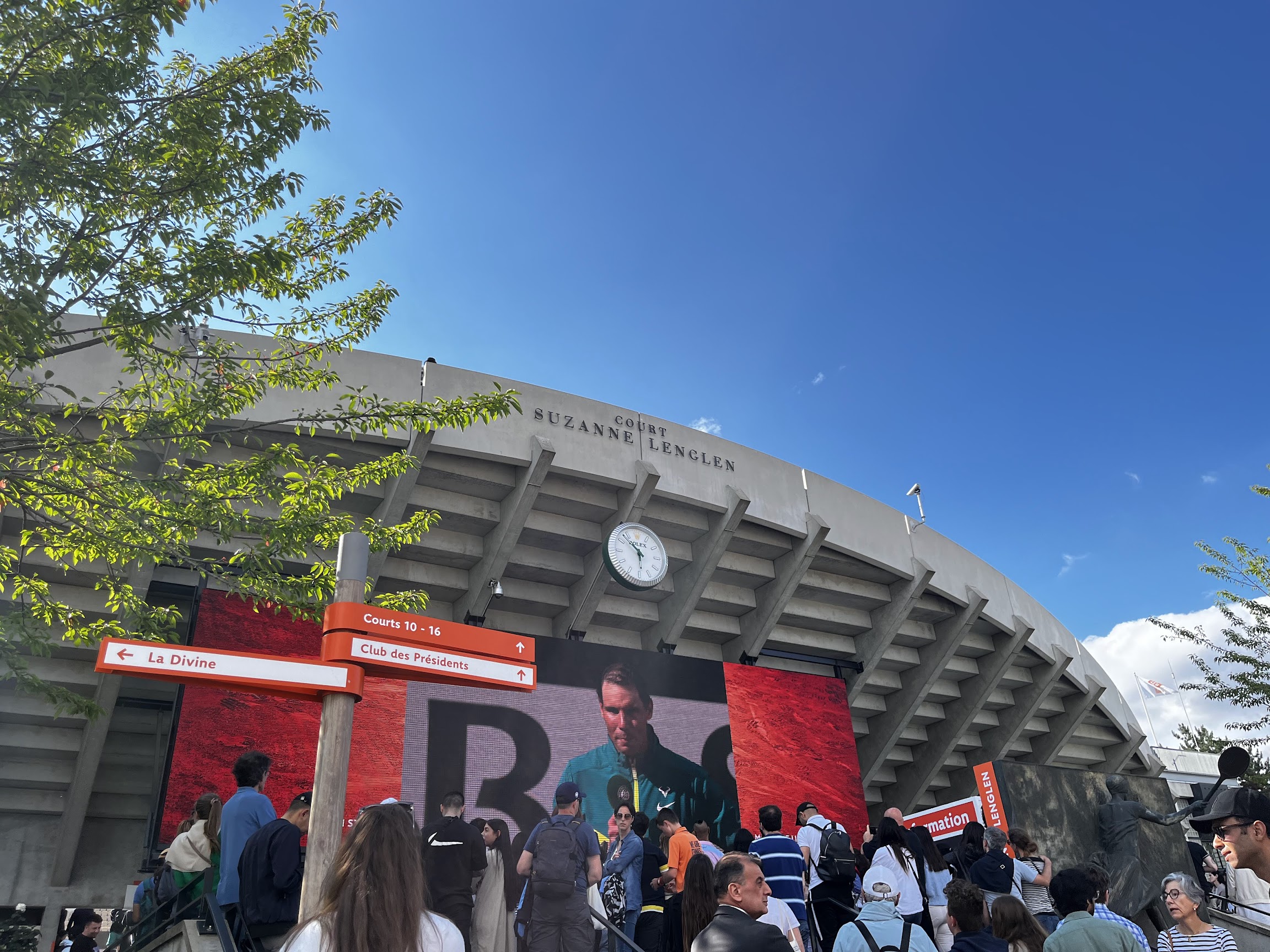
Things, however, seemed to have decided to align themselves particularly in line: on my second day in the city, I found myself at Stade Roland Garros on the final day of the French Open. My “outdoor courts” ticket had been declared valid for entry to the centrepiece Court Philippe Chatrier as a special case: an all-French team had made it to the finals of the women’s doubles, and they wanted as many people in the stands as they could get.
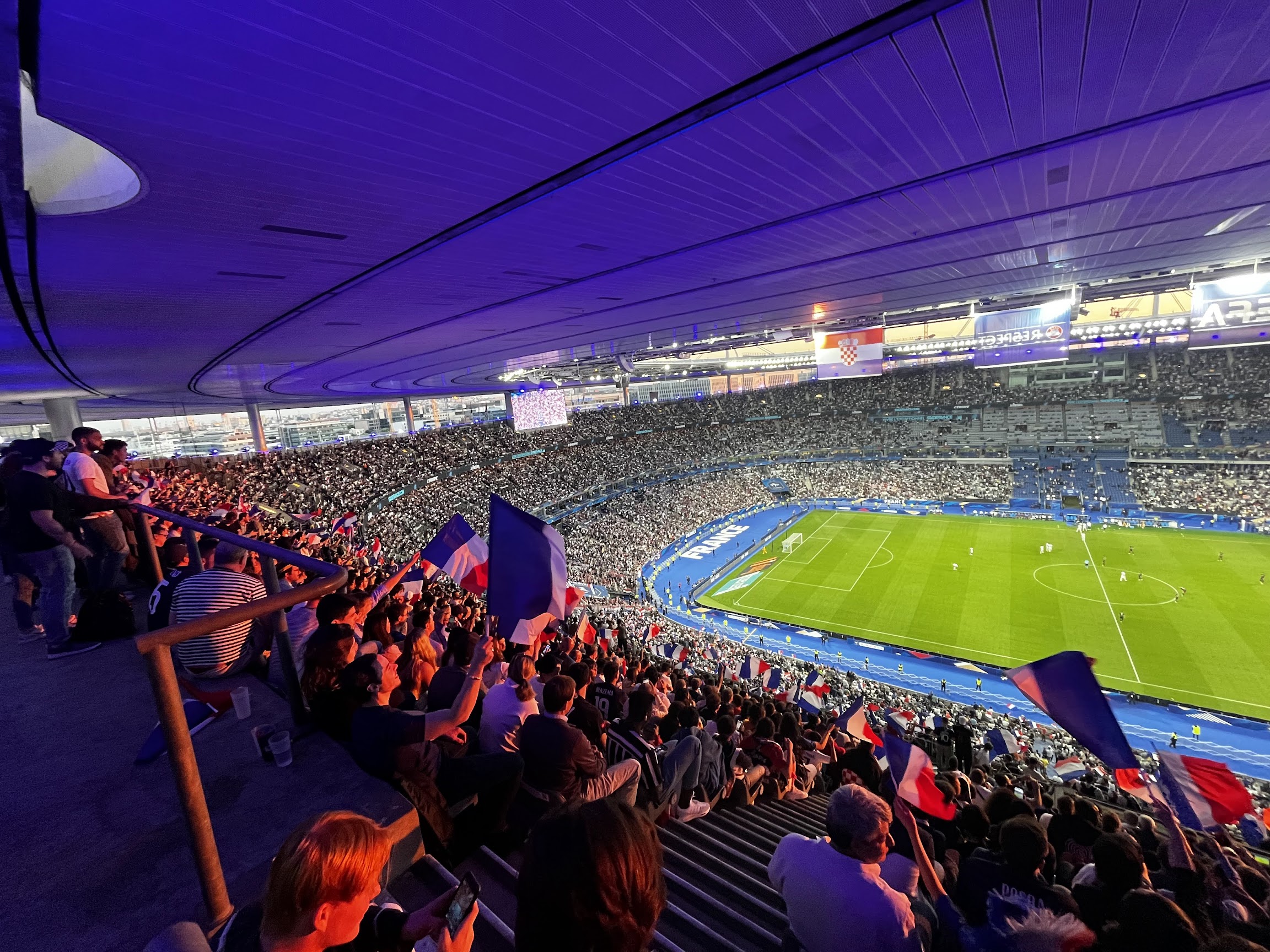
From then on, the visit became a string of surprises: how electric the atmosphere at a tennis match could get; how passionate some sports fans from India could be; how incredible watching live, international football is; how vastly differently colleagues in Europe approach their workdays.
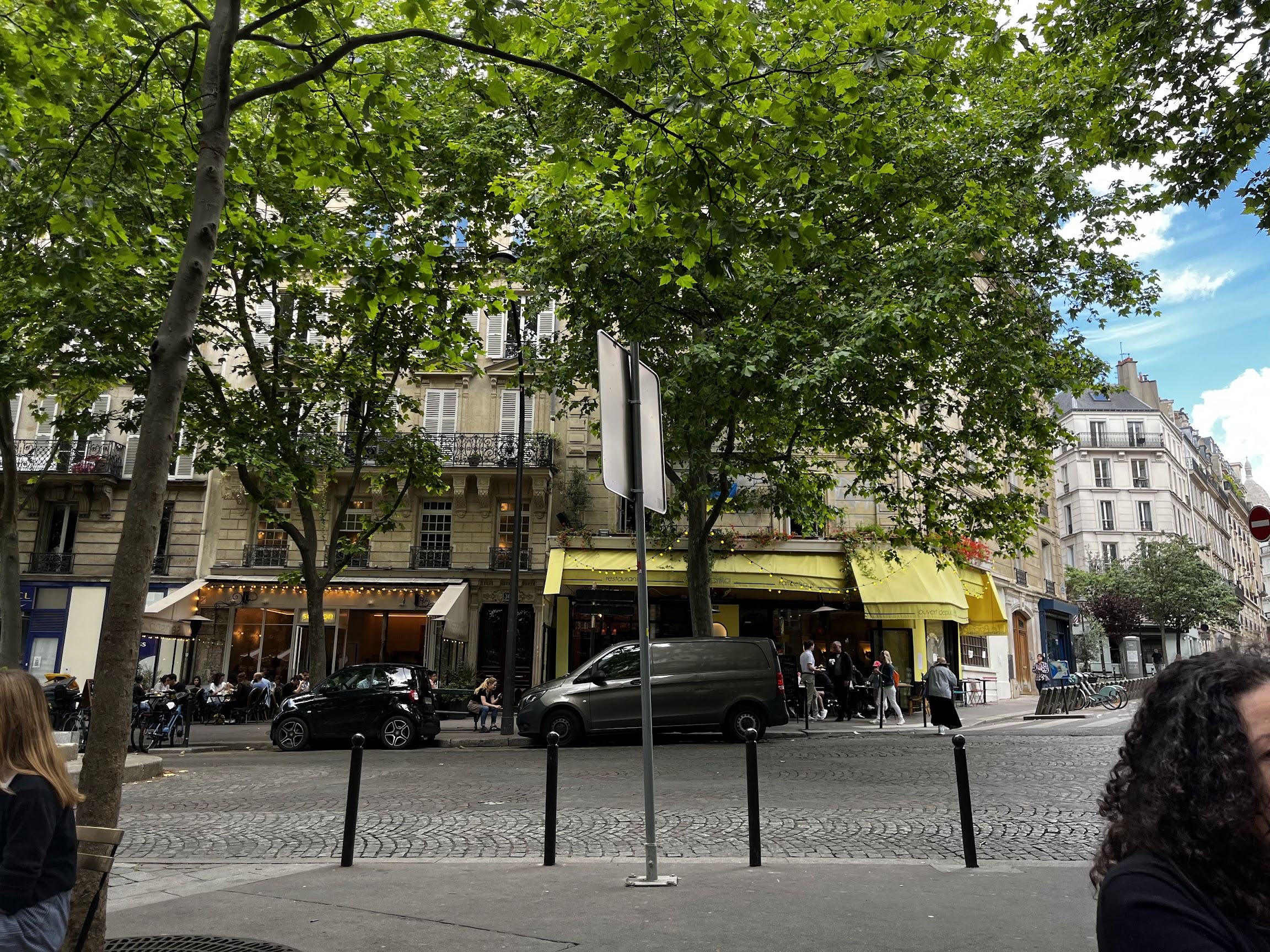
There were parts that weren’t surprising as well: that life in Paris happens outdoors in the summer, and that the warmth of the weather doesn’t translate at all into how welcoming the city is to outsiders. The city doesn’t rush in to make small talk as you arrive; the best description of what greets you is perhaps a faint frown.
Yet, when you go again, and again, and yet again, to the same places, the cold exterior begins to crack. The road signage, so utterly unhelpful on day one, starts to become familiar, and thus, useful, even if only as a landmark instead of a directional aid. The smartphone, a navigational necessity on day one, finally begins to stay in the pocket as you walk. The city starts to smile at you from afar.
A few more days in, and it may even ask you your name: A Canadian women on the table beside you at KB CafeShop in the 8th district might attempt to read the Hindi text printed on your T-Shirt, or a group of chain-smoking Latin Americans might ask to share your table at La Recyclerie, and make conversation with you in Hindi when told that you are an Indian. Layered within the expected parts are more surprises in Paris.
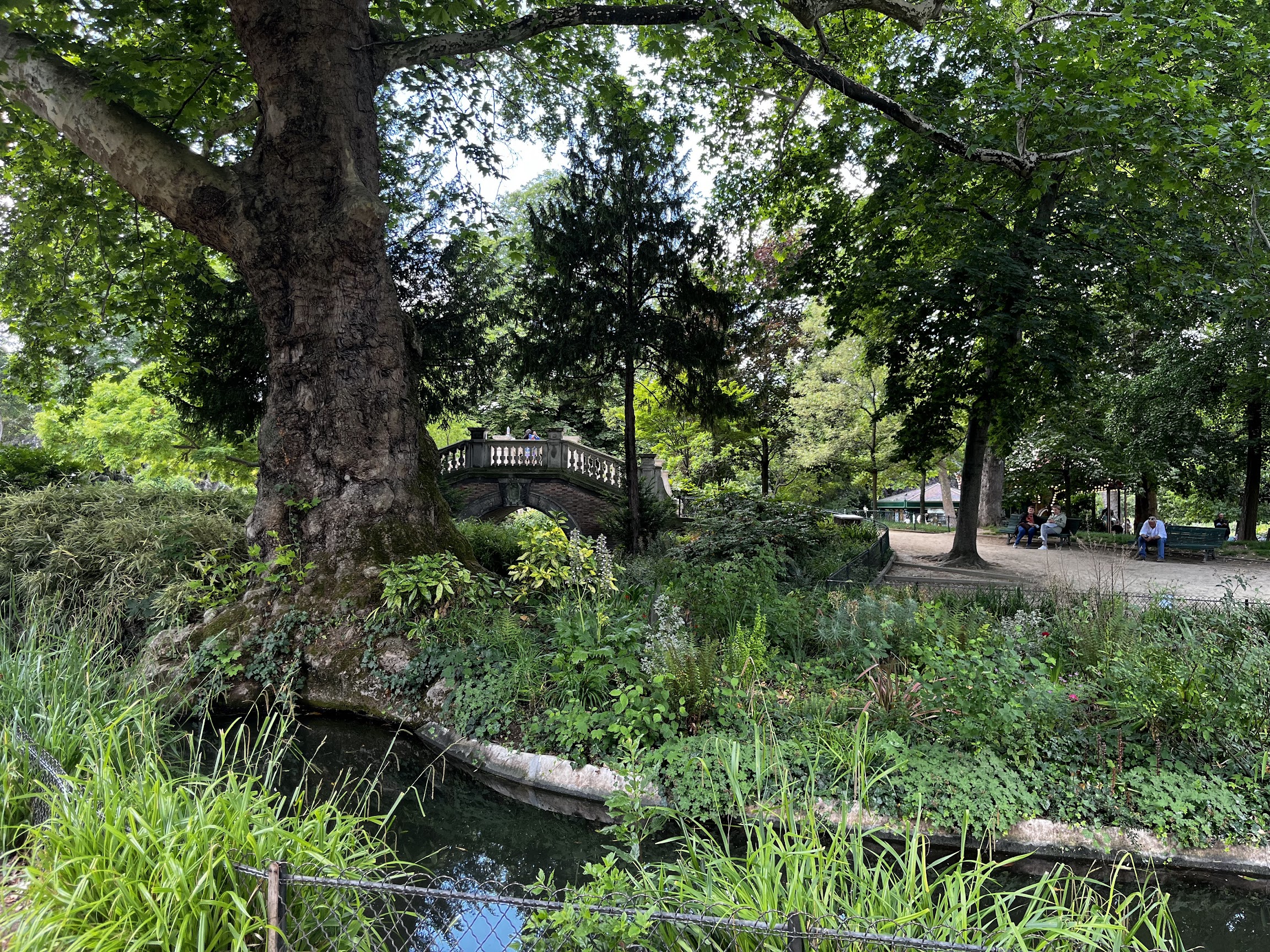
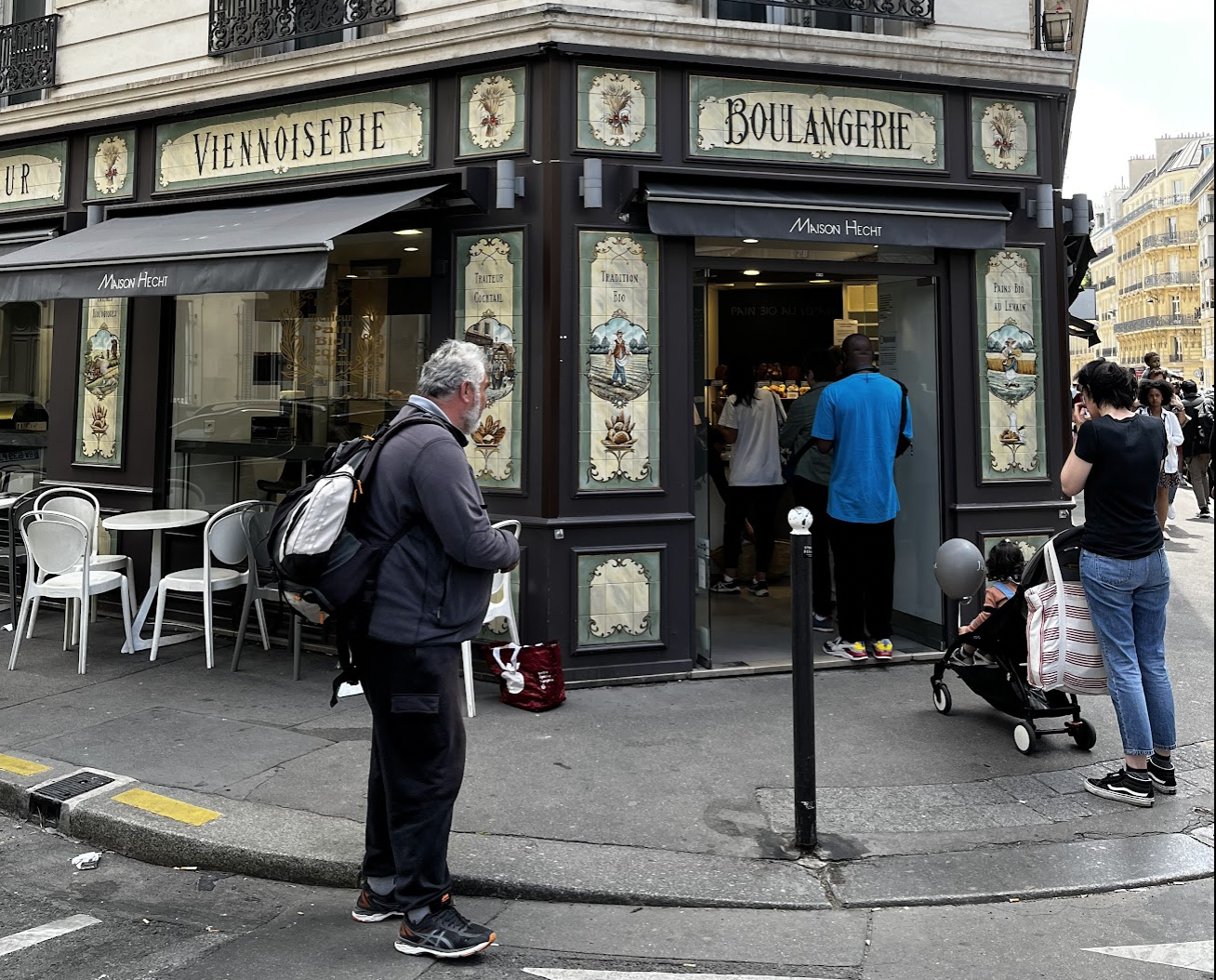
Both the above, along with the beautiful Park Monceau and La Maison Hecht near it, became places I frequented during my visit this time. Monceau and KB exist in my memory as Parisian parallels to the Lodi Garden and the Blue Tokai Café in Delhi; but there is no parallel to La Recyclerie, even if there is an opportunity to create an identical twin.
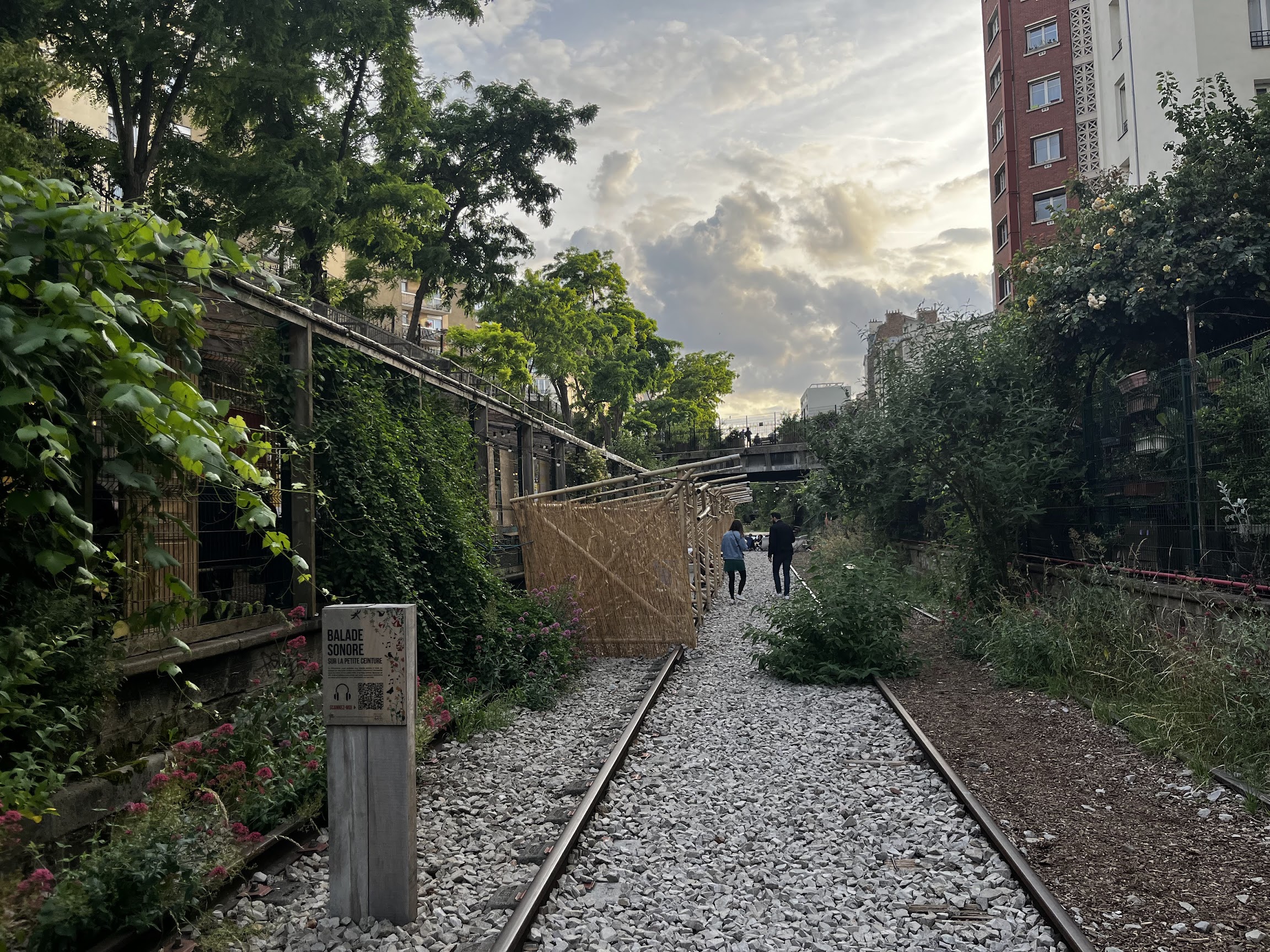
Paris – like Delhi – has a railway system circling its periphery, constructed in 1851 and abandoned in 1934. They called it La Petite Ceinture (”The small belt”), much like Delhi’s own Ring Rail which is still functional, but barely. La Recyclerie is best described as an “urban farm”: they took an abandoned station on the belt railway and created a bicycle workshop, a library, a small vegetable and poultry farm, and a café complete with rows and rows of seating inside, and also, unbelievably, along the tracks. To me, the Sarojini Nagar railway station – hidden in plain sight in South Delhi – feels like it is waiting for similar reinvention. Perhaps, one day?
My days in Paris began to resemble my life before the pandemic in Delhi: travelling through megacities in a combination of walking and public transport; stopping at odd places to satisfy the odd curiosity.
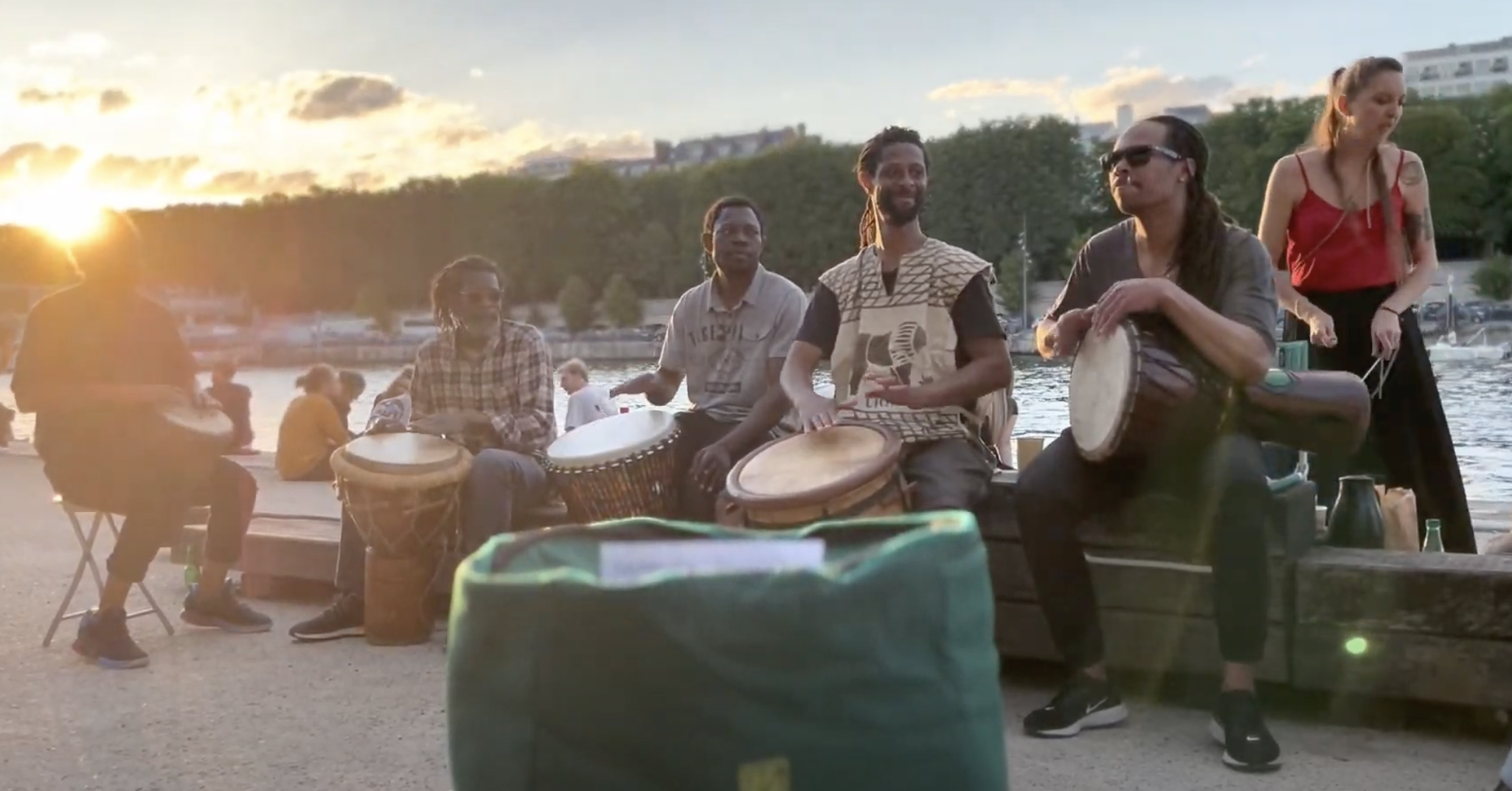
On my final Sunday at the Seine, I found a group of African percussionists, playing a set of instruments I had never seen before. Casual visitors to the riverfront stood circled around them as they performed for no one in particular.
As a consequence of spending years learning and practising the Tabla as a school student, I have a measure of confidence in my ability to handle any percussion instrument reasonably well.
Yet, it took me all of my courage to walk up to them and ask if I could play alongside for a while.
They agreed - of course they did. I thanked them, walked up and left, without any material evidence of this experience. It took me, for a second time, all of my courage to walk back up to them and ask for a picture. They agreed - of course they did.
On the walk back home, it was as if an older version of my own life gradually reappeared, frame by frame. It sounds markedly unreal to describe it this way, but I trust that most of us have had, or will have, an experience similar to this one: going back to that one experience that defined our lives before the pandemic. To find and explore surprises layered within the familiar aspects of a big city was what life had revolved around in Delhi for me; an ability which – I realised at that moment – I had lost over the last two years.
It is, perhaps, for the best that the license has eluded me these last two years. The routes I will travel, when I get back in a few weeks and it finally feels “safe” again, will be the same as those I used to travel. I expect it to feel like not a day has passed. If so, it will be the beginning of reparations for this insidious loss.
To Paris, and to a successful remembrance of things past.