
I did not ever imagine that I would have an association with the city of Patiala. Not to say that I had an inferior opinion of the city - I just never thought about it and myself in the same frame of thought at all. In fact – and this was a crushing realisation I came to in the last semester of my undergraduate years – I never thought much about myself or my career at all.
Growing up, I was an unfettered, unfailing idealist (although some people used the words “unnecessarily emotional” instead). What that meant was that I spent almost no time visualising answers to practical concerns: What colleges should I apply to? What kind of career did I want?
Instead, all I had was the impulse to contribute to the problems around me. It’s how I got into building software: small apps to solve problems I’d see people running into at school. It’s why I spent a disproportionate amount of time reading and writing about ideas for better governance structures. It’s why I was fascinated by the lives of those working to bring change in society.
I’ve said this before (and at the expense of making this become a hagiography of myself, I’ll repeat) - I was a bright student through school, and had excellent results through almost all of it. As a result, I had a generous amount of self-confidence (perhaps too much in hindsight), and thus, very little instinct to course-correct on seeing unexpected results.
The single point agenda I carried through most of my years at engineering college was to claw back some of this self-confidence, since what was to be the zenith of my high-school academic career became, instead, its lowest point: through two years of trying to making it to the top engineering colleges of India, I suffered one academic disaster after another. While these were mostly my own doing and not much due to accident or misfortune, the result was that I ended up at a “Tier 2” institution in Patiala. I started the first semester – much like most other students there – with an enormous burden of discarded prospects and incessant pangs of guilt and comparison.
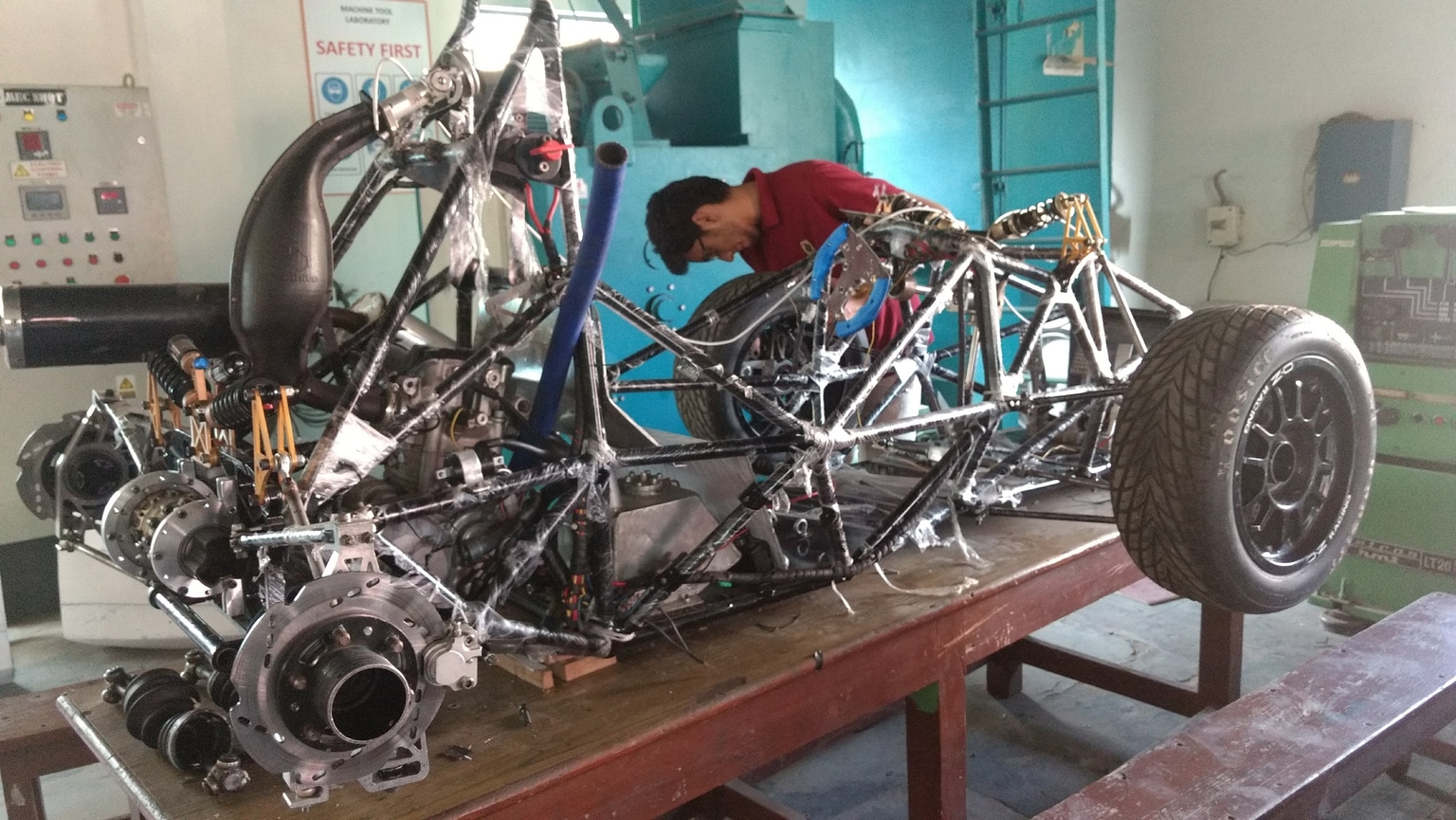
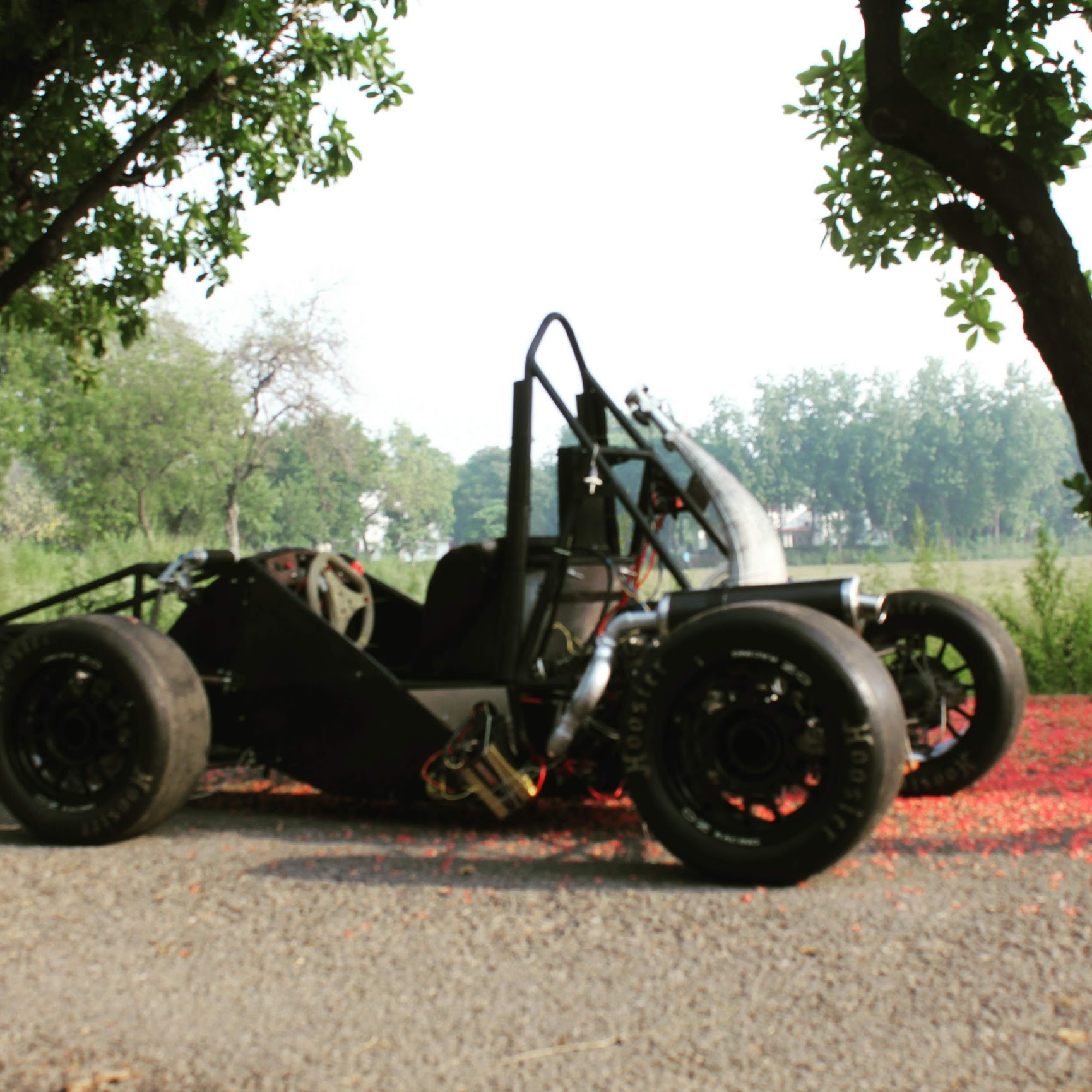
The mission, became, then, to discover as many opportunities that existed inside – or outside – the campus, so I could try and excel at them and begin redeeming myself in my own eyes. The “Formula Student” (student race car building competition) team at the university carried a solid reputation, and regularly competed at a global level – so I became intent on joining them as soon as possible.
I was a Computer Science student though, and the Formula Student team was almost exclusively mechanical or mechatronics engineers. Attempts to join in the first semester did not arise.
6 months in, I had more of a network at campus: news filtered in that they were recruiting a software engineer to work on a project to visualise engine telemetry through real-time charts, and that they were preparing to compete at Formula Student 2017 in Italy.
I interviewed with the captain of the team that year: a final-year mechanical engineering student named Utsav Mudgal. I hope he was atleast a little bit as impressed by me as I was by him, since it seemed like he genuinely knew a lot about building cars and, despite that, had a distinct humility about him (the ring-tone of his phone at the time, coincidentally, was Humble by Kendrick Lamar, something I think about to this day whenever I hear that song). Humility, counter-intuitively, was a rare characteristic at the campus.
Utsav offered a role, I accepted.
What followed were nights of blood, sweat and tears: sanding the metallic frame of the car’s body and getting hospitalised in the process; all nighters at the campus workshop watching 3D printers churn out parts; building my first real-world web app with an Arduino, Angular.js and Node.js; and finally staying back in the emptied-out hostel after the semester was over in the hopes of getting the car ready in time for shipping it to “Autodromo Ricardo Paletti" in Italy.
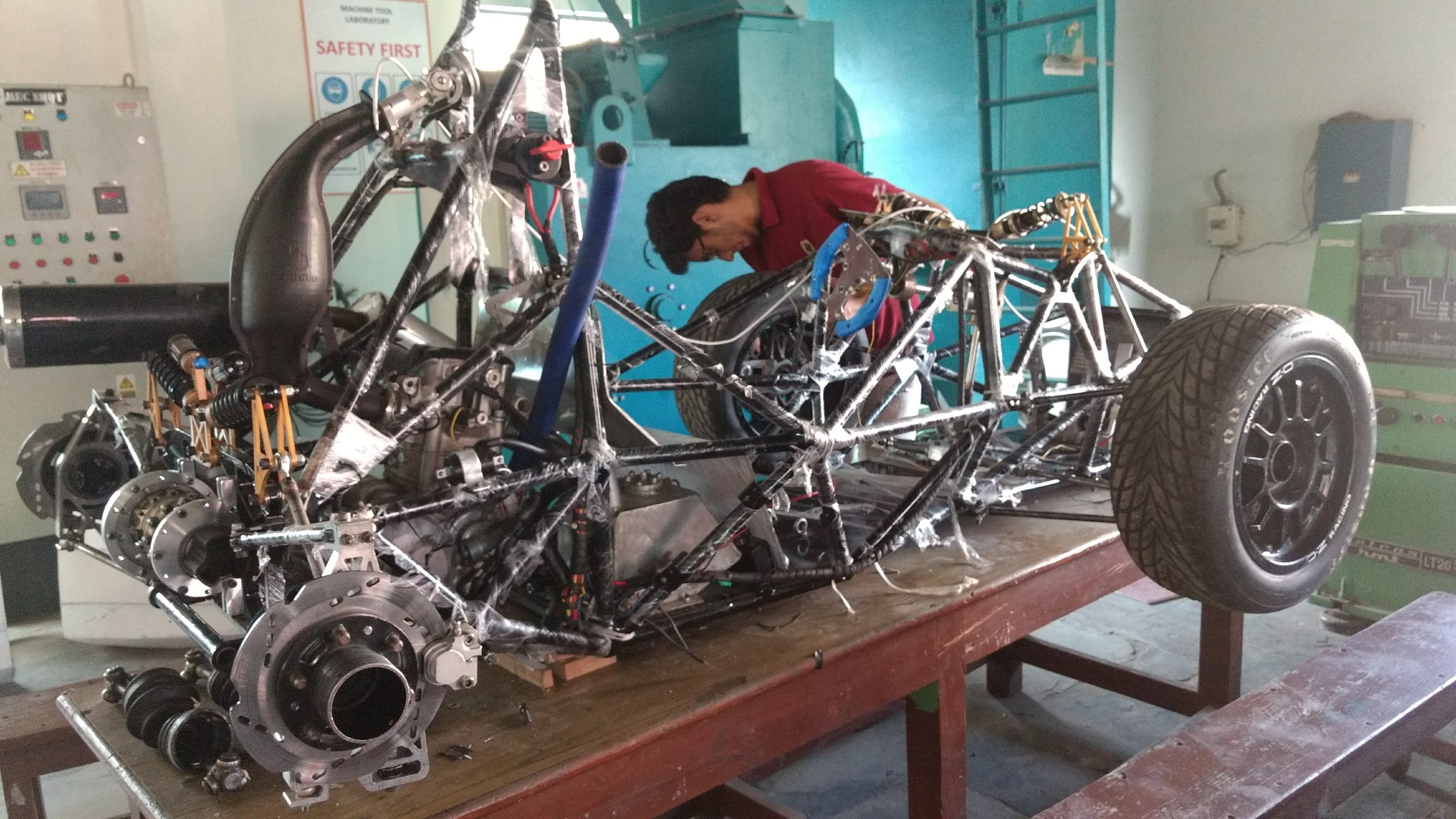
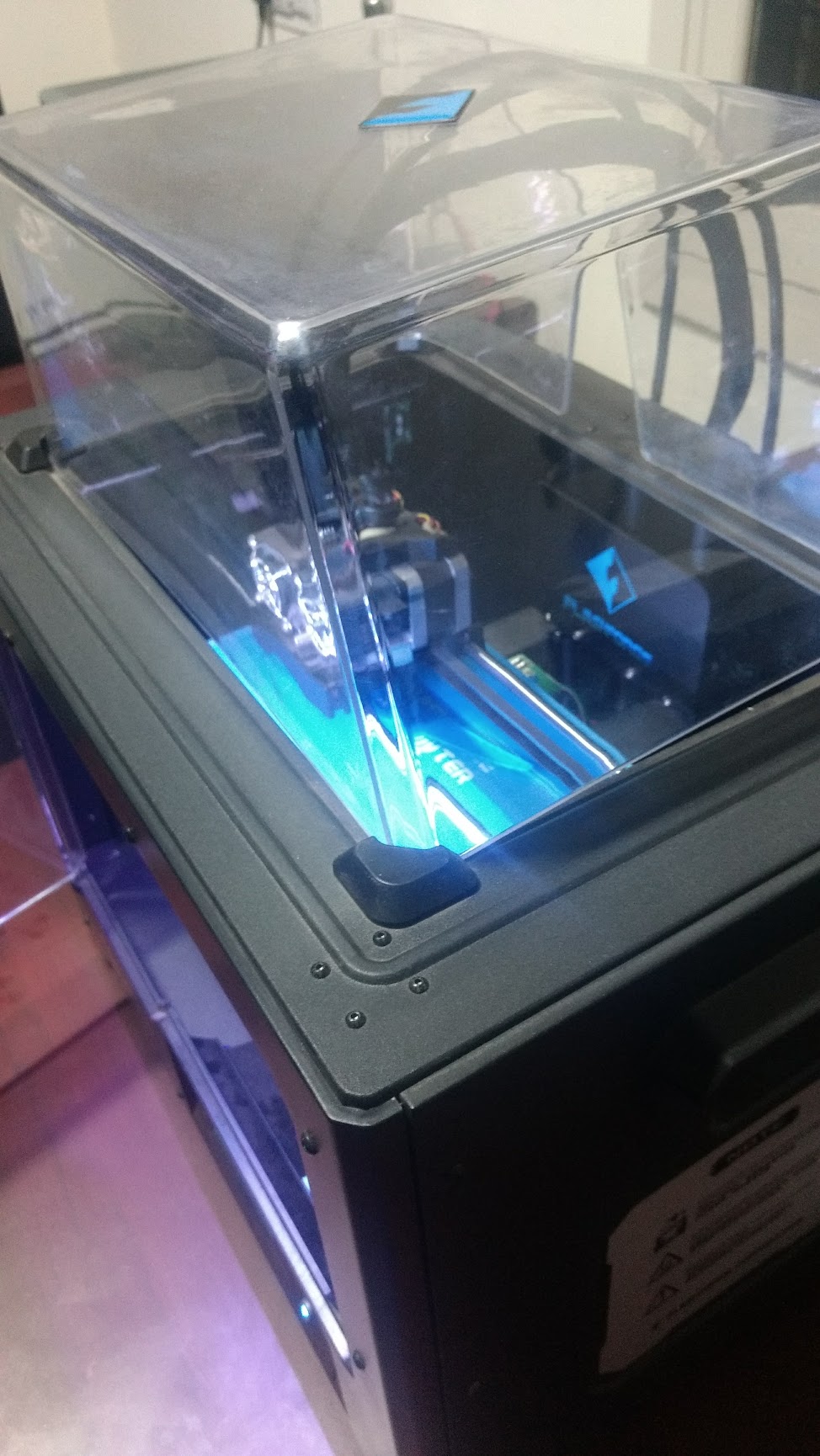
All to be told a few days before we were to leave for Italy that our car was going to be delayed in being shipped. Our flights were booked, presentations ready: so we left, hoping that it’d be a minor delay.
The first memory I have of the Milan Malpensa airport is being disappointed at the size; the second one is stepping out and being amazed at it being daylight at 8PM.
The car never made it. I realised only two days into being in Italy that a big group of seniors inside the team were running, essentially, a massive grift: funnelling funds contributed by members and the university out while pretending that they were using them to pay customs duties needed to ship our car to Italy.
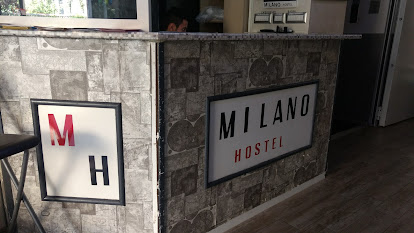
A lot more growing up was to be done on just the first day of the trip: the hostel that one of the seniors had “booked” denied us entry at the doorstep saying our payment had failed. My first ever night in Europe was thus spent walking around Milan with large suitcases in a big group of Indian college kids, being denied entry even by pizza places who were assuming we were homeless.
On finally finding another hostel that had availability, the seniors immediately decided to find the nearest strip club. I did my best to pretend like I was only mildly amused at the offer and nonchalantly decline, while panicking internally at what I had gotten myself into.
The remaining days redeemed the trip a great deal from the incredibly low bar the first day had set.
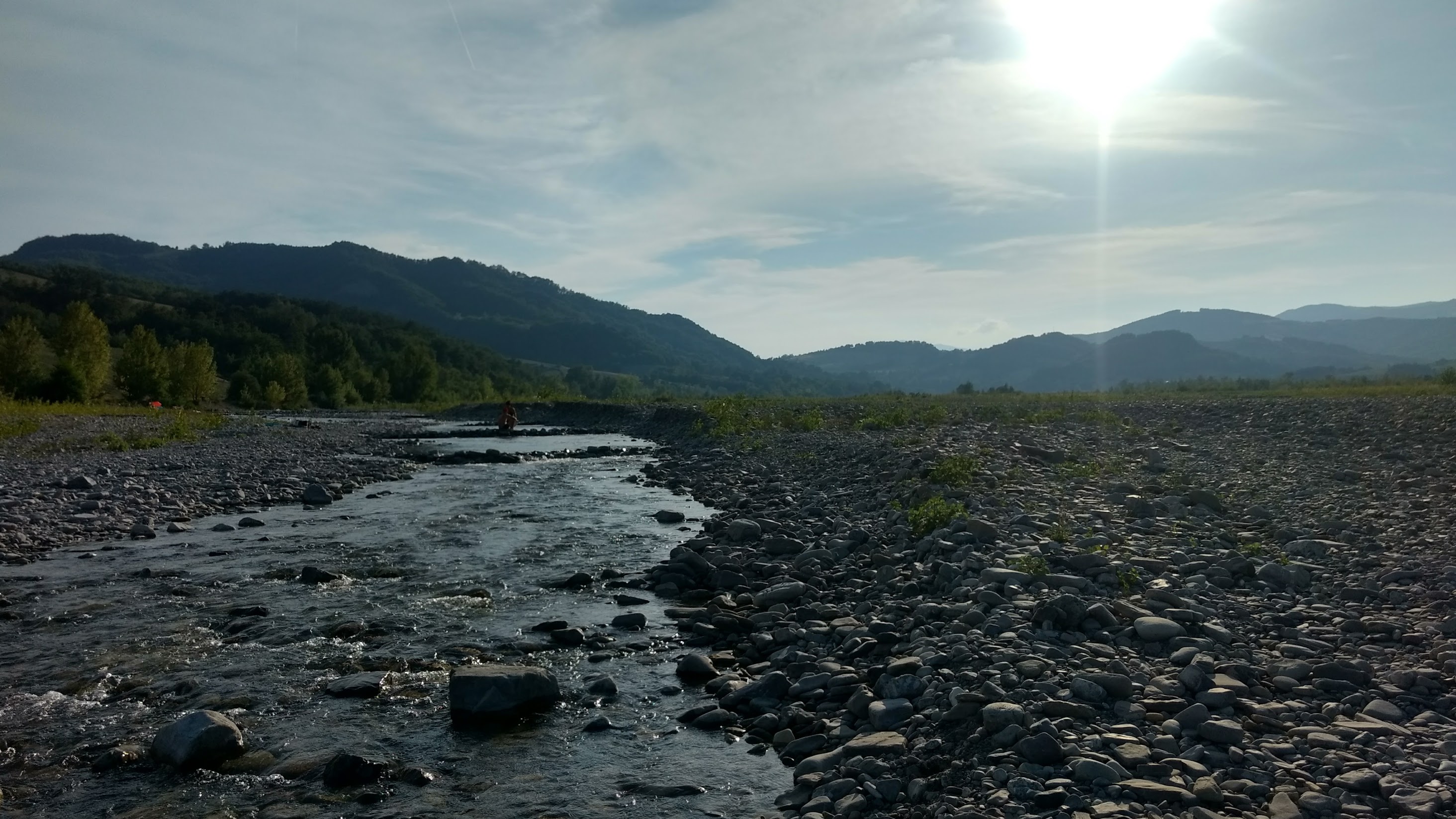
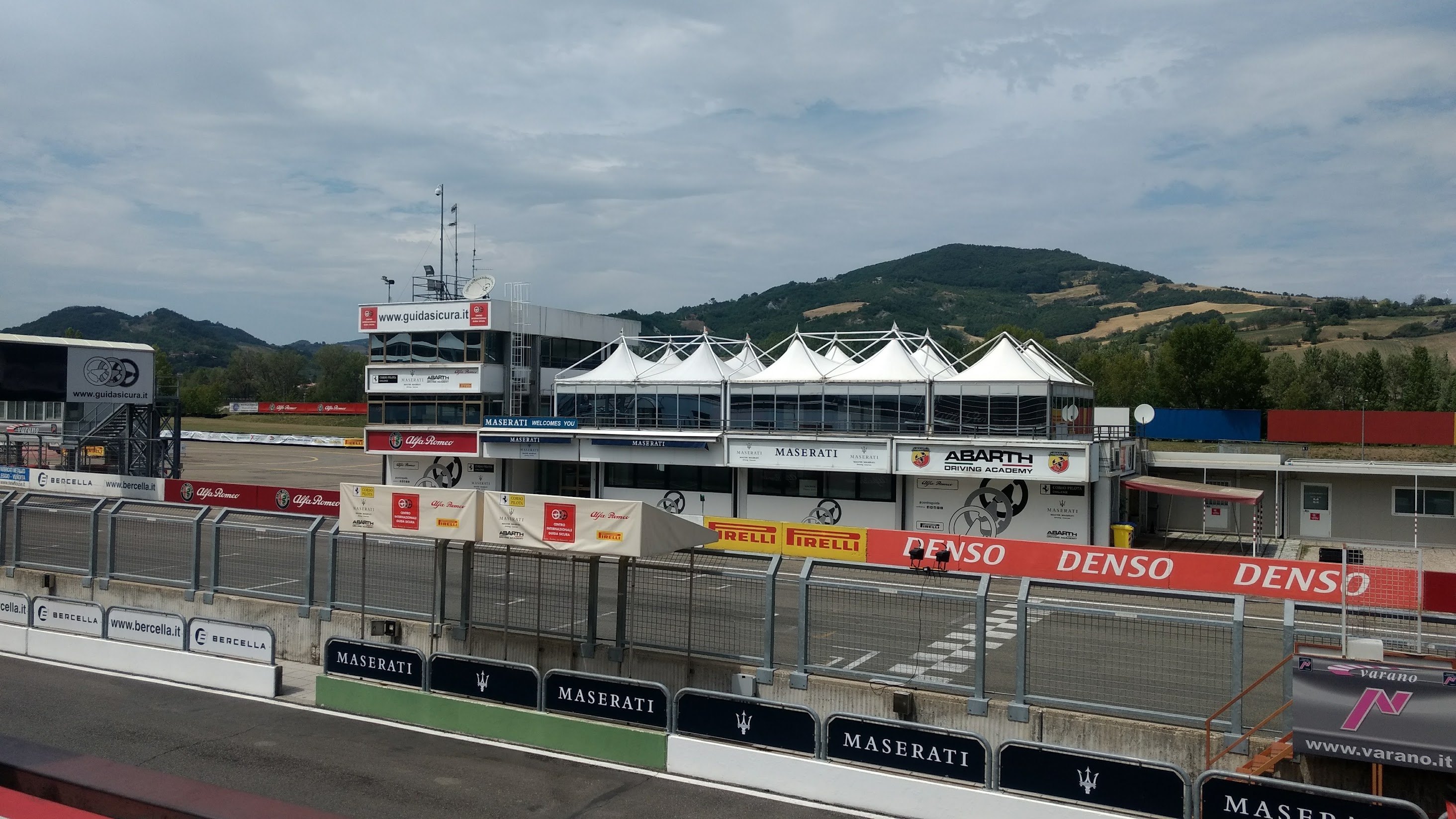
At Varano de Melegari, the site of the competition, a series of remarkable experiences occurred each day, as if by clockwork: on the first night I ran into a man – a waiter at the restaurant we dined at – who was from the same village in Punjab that my dad is from. On the second day, we learned – from a family that had migrated to that town from Nagaur in Rajasthan – that there were barely any people, let alone young people, in the town: a bottling plant was their source of employment and income, and the competition was when the town sprang to life every few years.
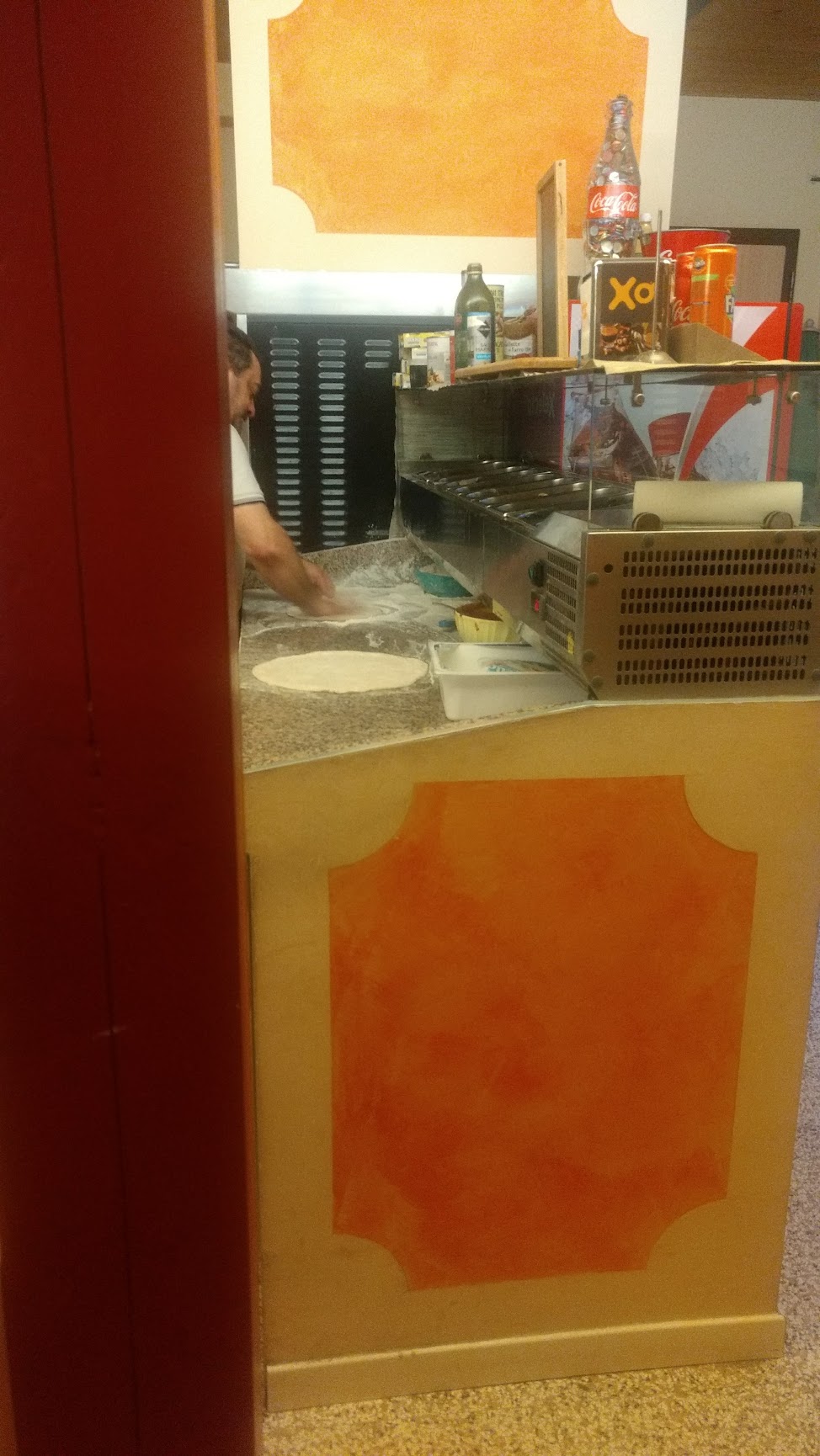
On the third, I saw a man make a pizza from scratch by hand in a small shop in the Italian countryside and realised that I prefer Indian paneer pizza over what many would call an authentic version.
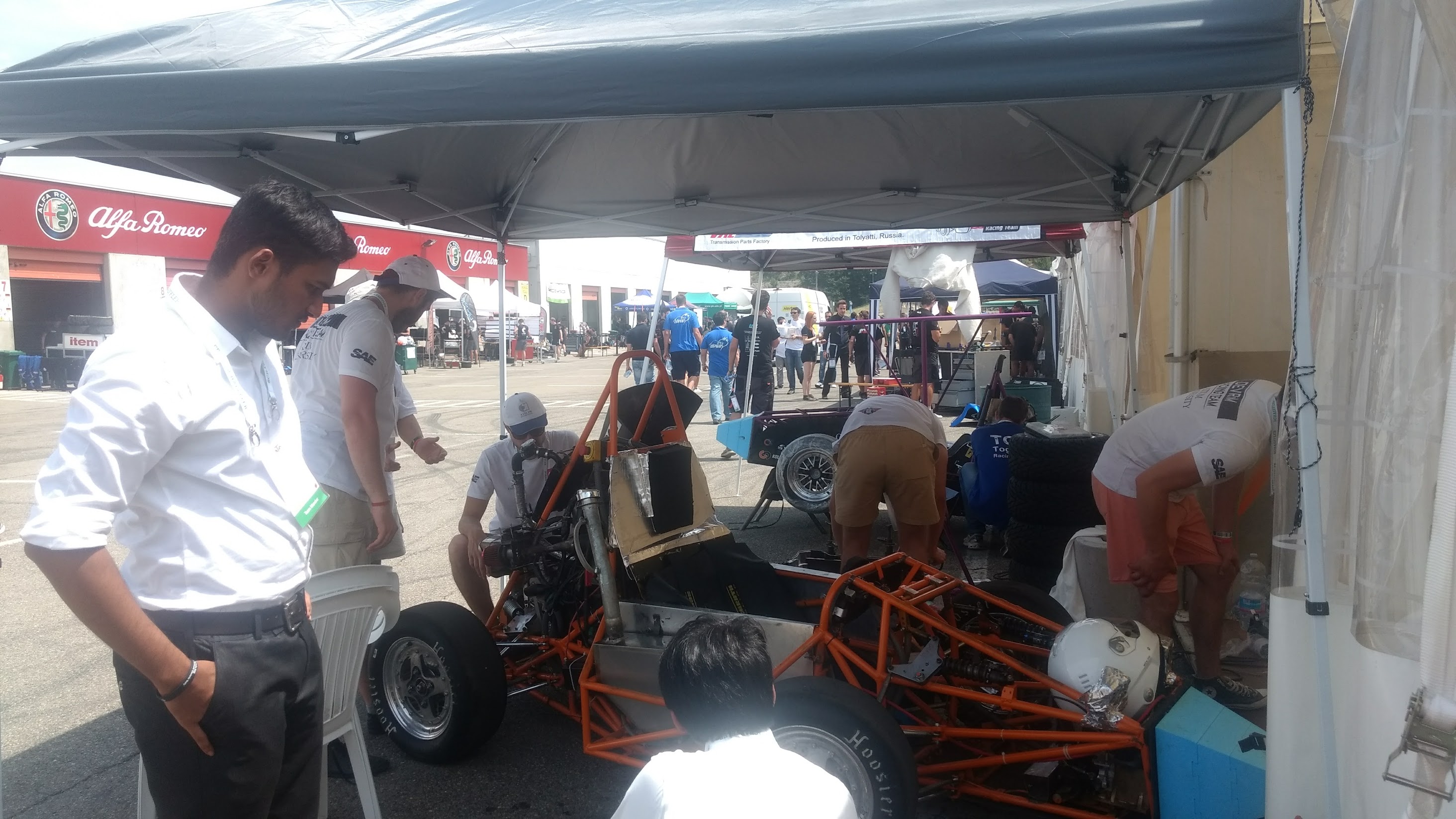
The fourth and final day perhaps trumped it all: even though we had no car, we could still compete in “static” events which required presenting to the audience and a panel of judges. Our captain backed out of presenting citing ill-health, and I was asked to step up.
I hadn’t carried a suit for the trip, since all I expected to present was a small poster about my telemetry project. That presentation had already happened the previous day in one of the smaller tents at the venue. I was content with the few German and Austrian technical directors who had asked me interesting, probing questions about sensing oxygen ratios and temperatures in real-time.
The captain offered to lend me his suit, and it fit. It was decided. I was, along with another first-year member of the team, to present our case in the largest tent at the event venue.
We placed 6th globally in that event - the university’s best ever finish in any event at any version of Formula Student.
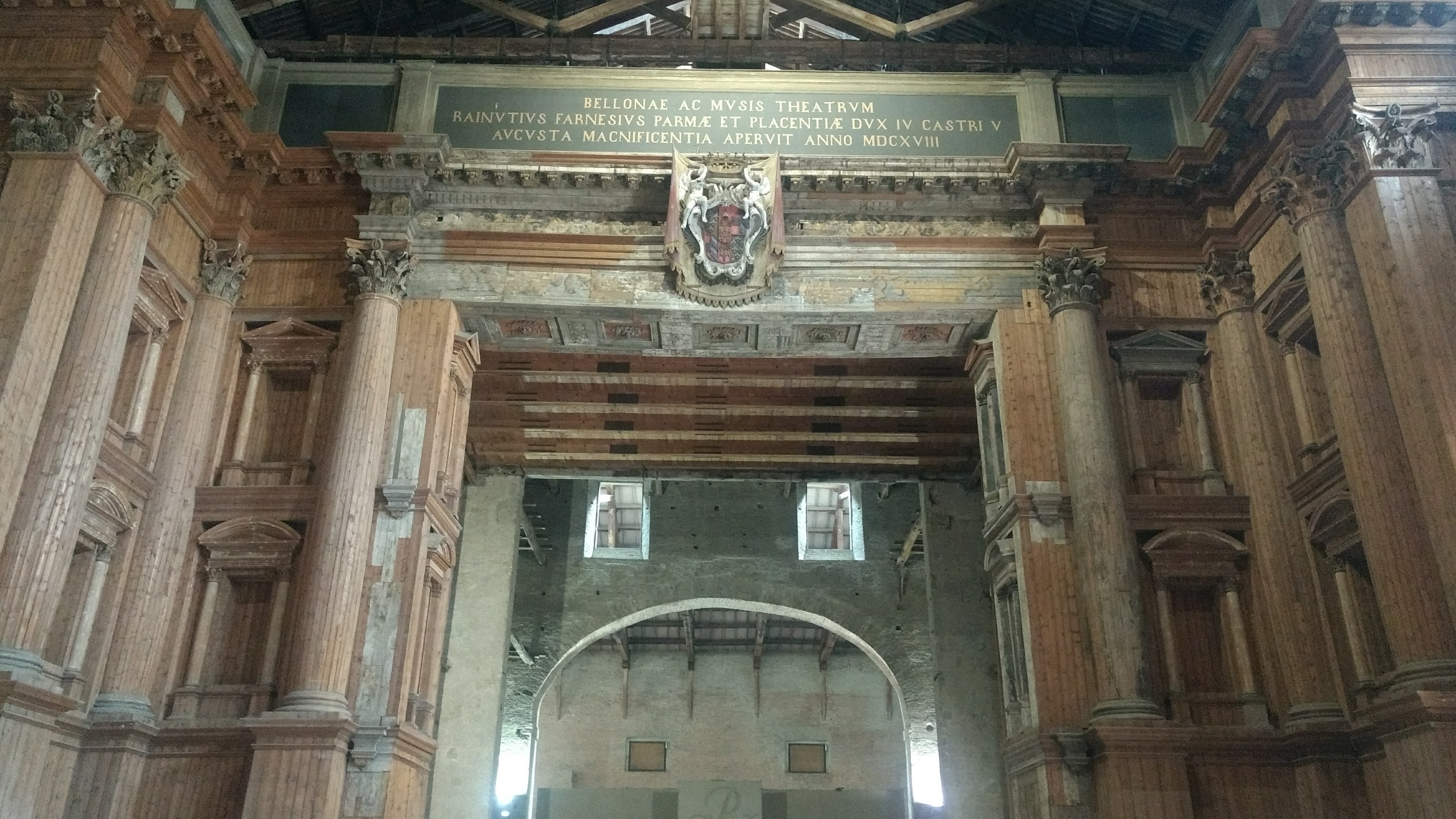
My first-year teammate and I had, at least for our own egos, snatched victory from the jaws of defeat. While the two of us traipsed through the second half of the trip through a random set of European cities we had selected based on vibes, for me, a sliver of the evasive, eroded self-confidence began to return.
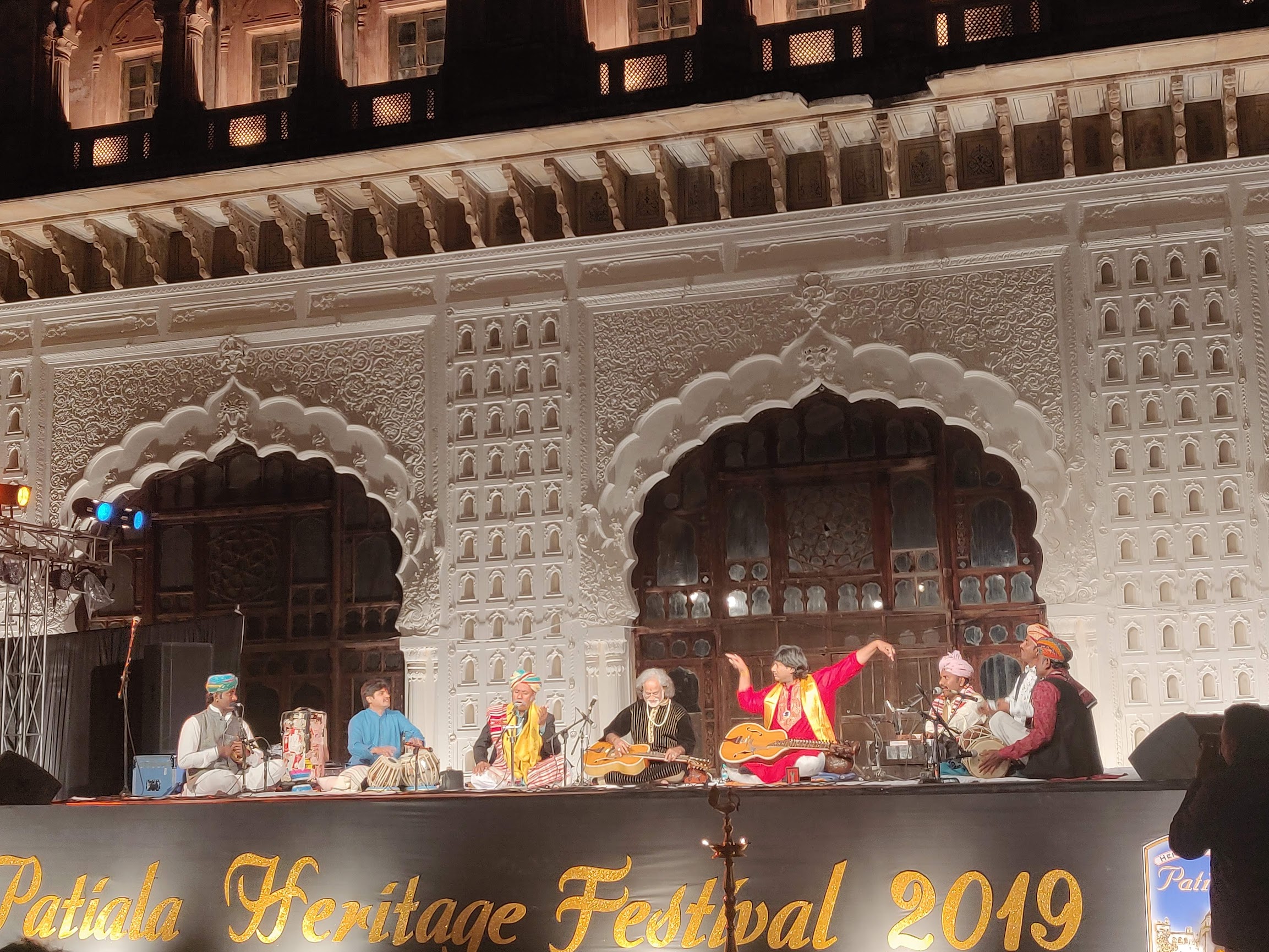
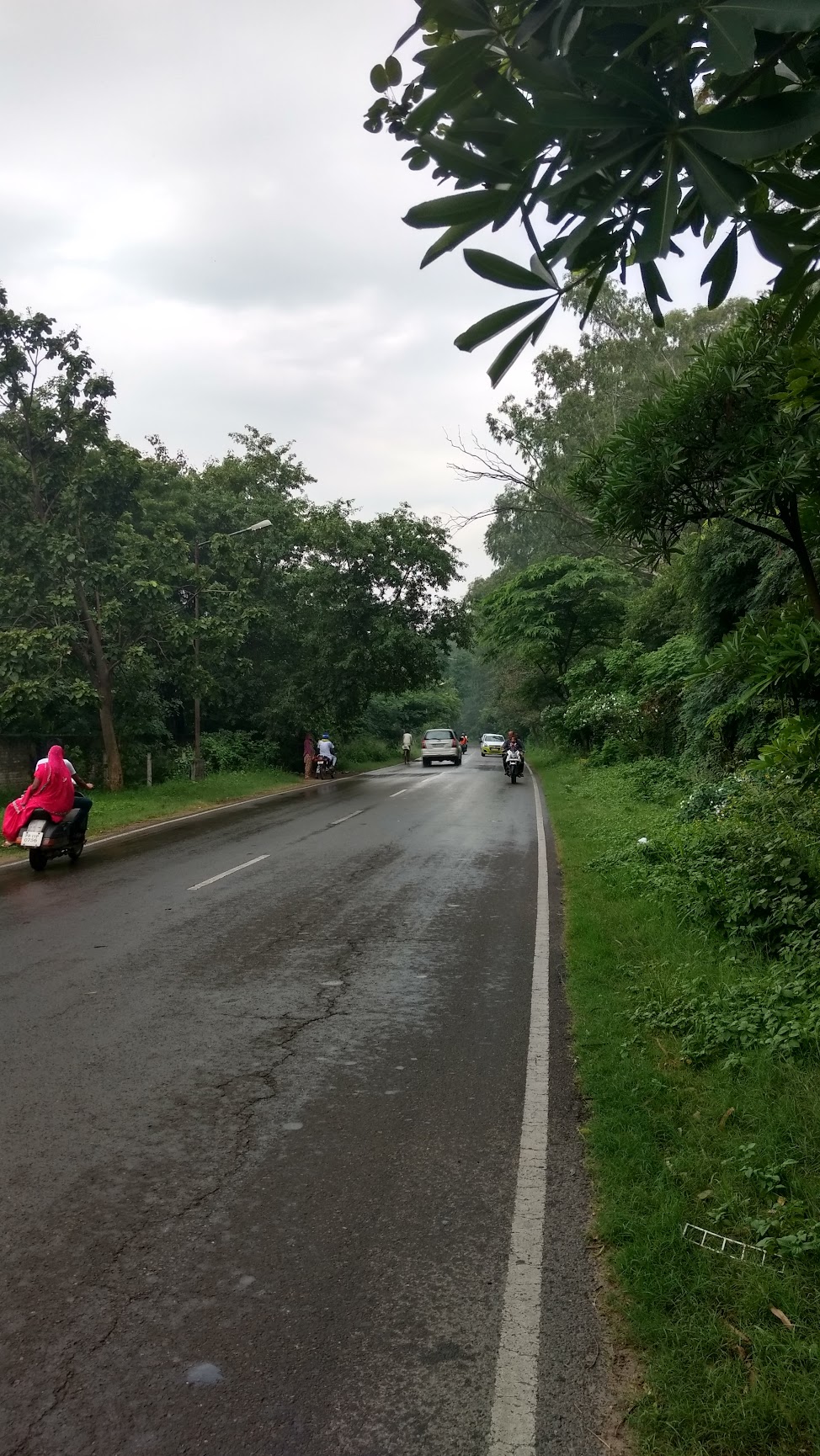
I came back to a second year of engineering in Patiala with a shift in perspective: more respectful for the city, the campus and the students, professors and opportunities inside it.
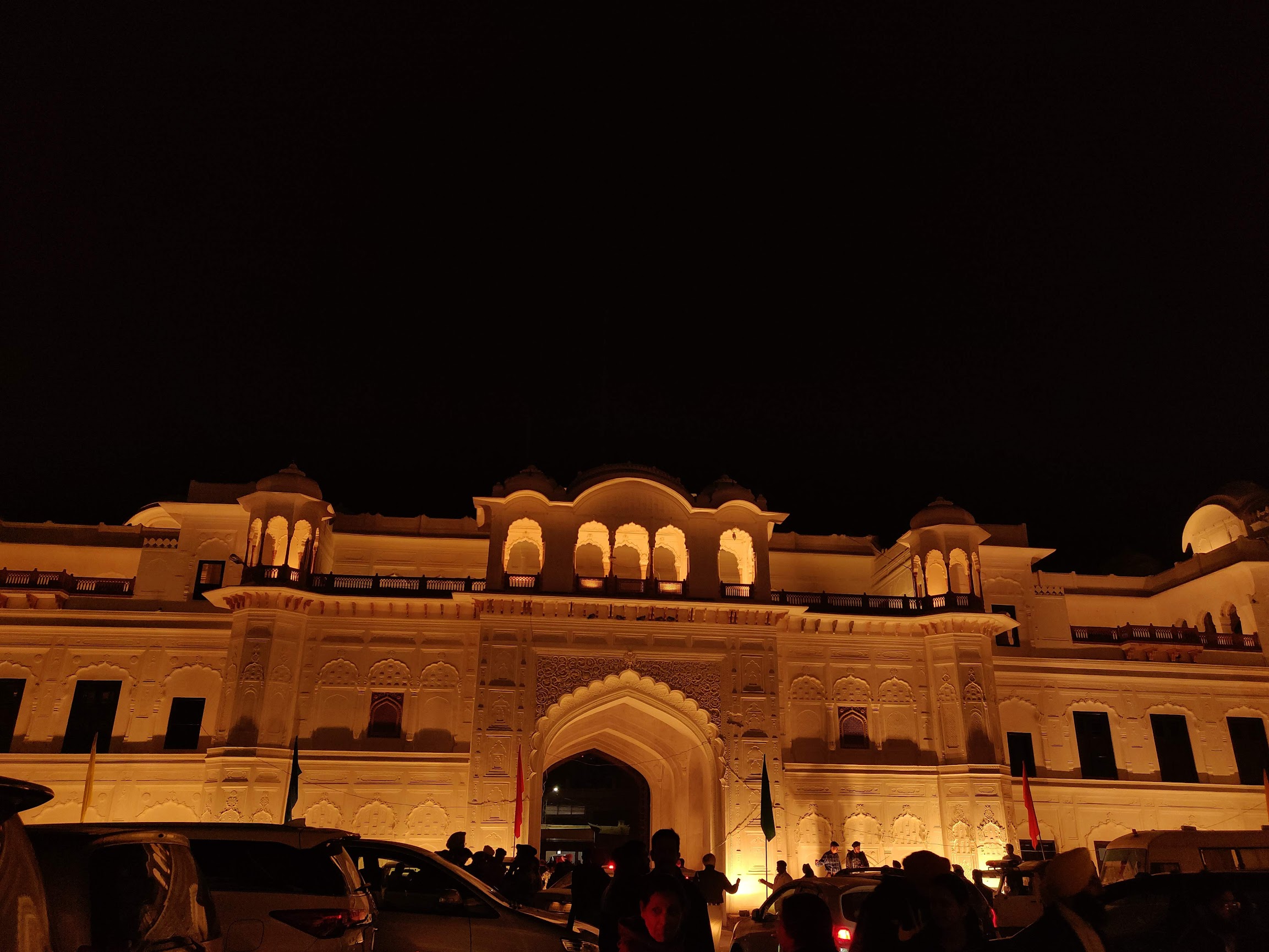
The four years I spent there saw a comparable evolution in both my thinking and the city’s own urban form: footpaths (“sidewalks”) improved dramatically, new malls appeared, monuments were refurbished and new cultural festivals were patronised: I’ve attended a few performances by Ustad Zakir Hussain but his concert at the Qila-e-Mubarak in Patiala in Feb 2020 remains the best, by far.
This evolution was capped by the most remarkable architectural project I’ve ever witnessed being built: in what was to be my final semester in the campus, I stepped into the newly built library. It is a spectacular example of modern brutalism, and in my opinion, one of the finest libraries on any campus, anywhere in the world. (Here's Architectural Digest agreeing with me).
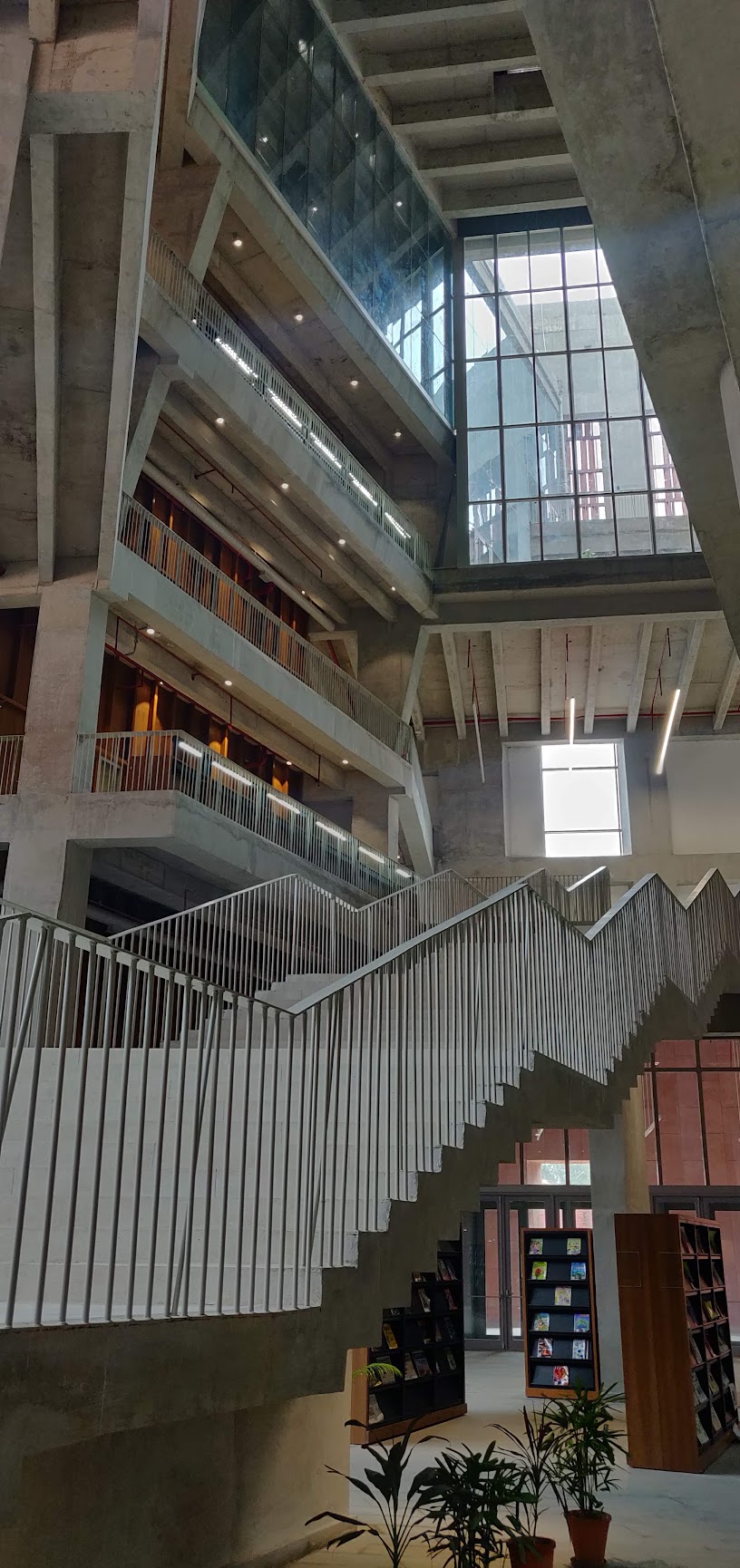
In some sense, I think it mirrored the evolution of my mind too: from a persistent spiral of self-doubt to a more calm, measured and yet realistic sense of confidence in my ability, and the realisation that audacity and ambition need not be limited by anything, least of all geography.
Over the years I’ve seen this held true: juniors, batchmates and seniors have gone on to do remarkable things that I – on the day I stepped in – did not consider people from that 250 acre campus capable of doing.
By the time I stepped out, though, I’d become a believer.
(Some disillusionment was in-store for my first year as an employed person in 2020, but that is a story about Shimla that I may or may not ever tell.)