
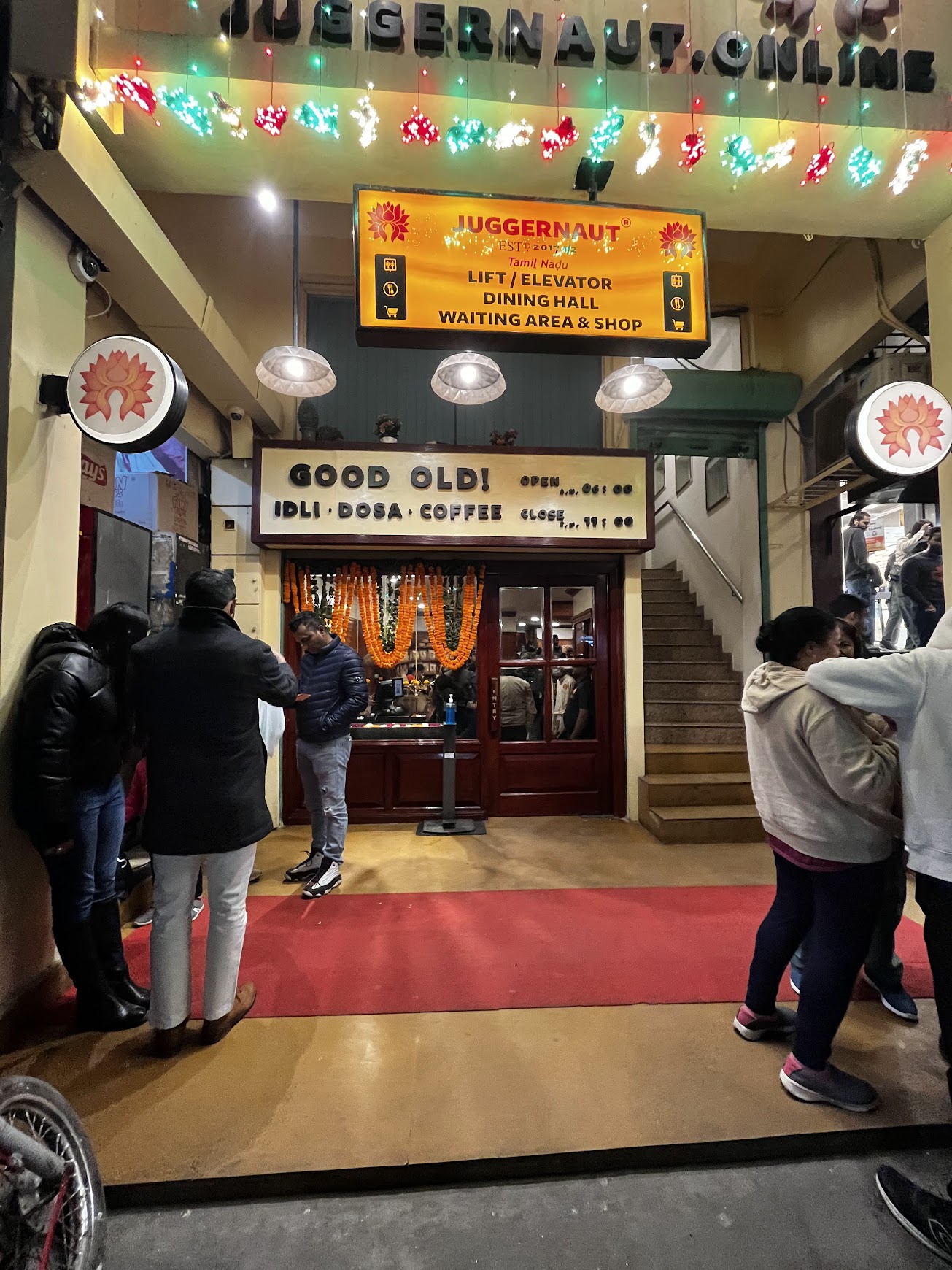
I have no way of being able to verify this, but I think I was the first ever customer at Juggernaut.
Some time in (July, was it?) 2017, I remember spotting their facade – a piece of Wes Anderson transported to Kailash Colony – while walking through the market, early in the morning.
"Are you a restaurant?" "Yes, its our first day, and you're the first customer. We open at 6 in the morning."
They did a little aarti and some tilak and sent me up, to the dining area. Were they saying that to make me feel important? I don't know, but I have no difficulty in continuing to believe it.
That same year, I remember reading about "Delhi's new 'Central Park'" – still under construction, about to be inaugurated. A weekend back from college would have to be dedicated to its exploration. I showed up to find an entirely novel experience: a public space built with utter love and adoration for the city, and utmost respect for the average citizen who would, sometime in the future, walk its lawns.
This past winter – my first "normal" one in the city since I returned to be a full-time resident in the summer of 2020 – has been a chance to feel some familiar old feelings: the shockingly cold mornings, the glorious afternoon sunshine, and the warm embrace of the Metro system.
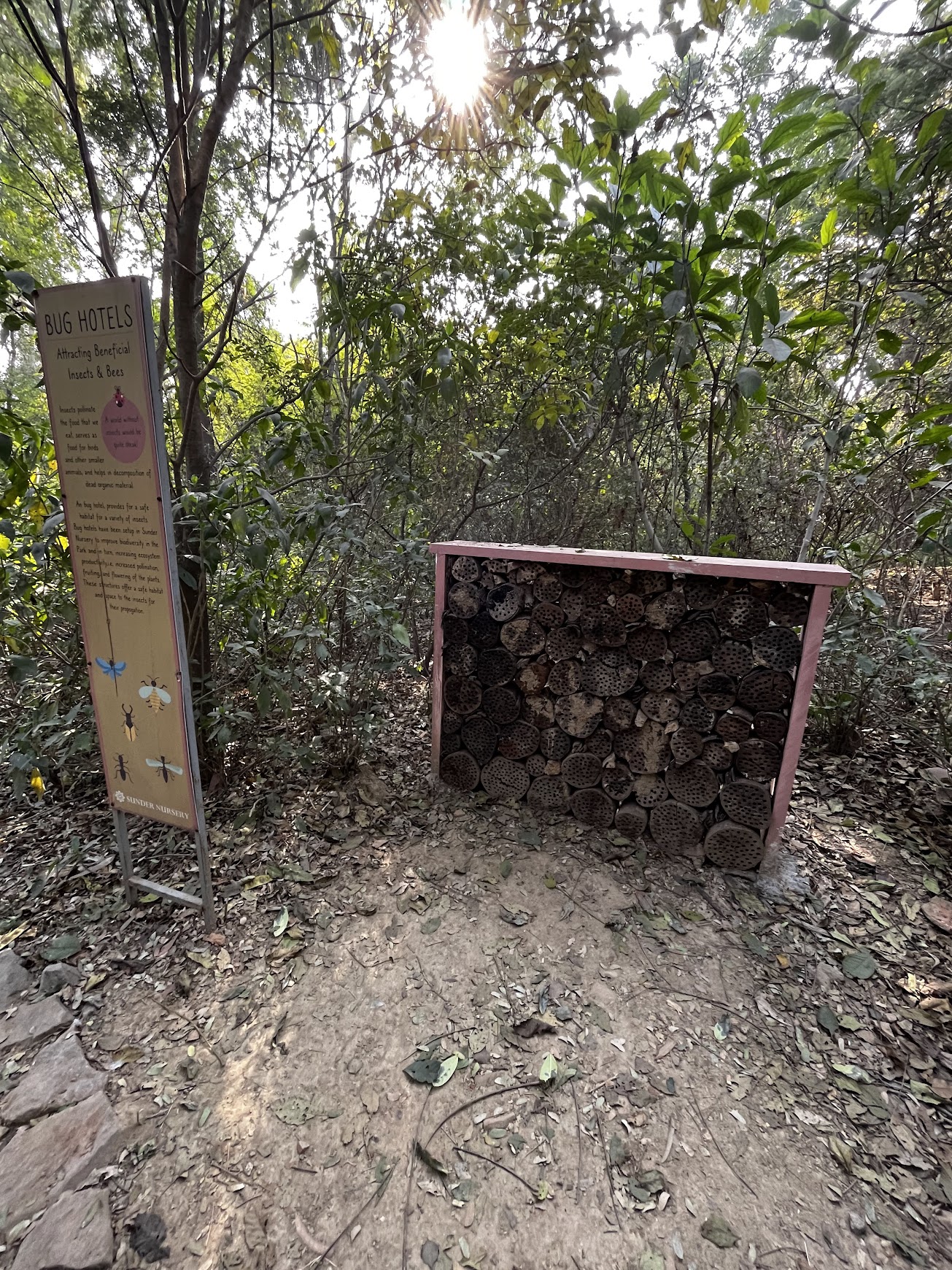
What has been striking is how much of the new there has been to welcome.
The lines of the Metro have now combined to form a mosaic; a new city within Delhi, the latest one on the city's palimpsest.
Juggernaut has now successfully dethroned the neighbouring Big Chill from its perch atop the most sought-after table in that market. I say this with confidence: a recent chilly Sunday night saw a friend and I wait for a table for more than an hour.
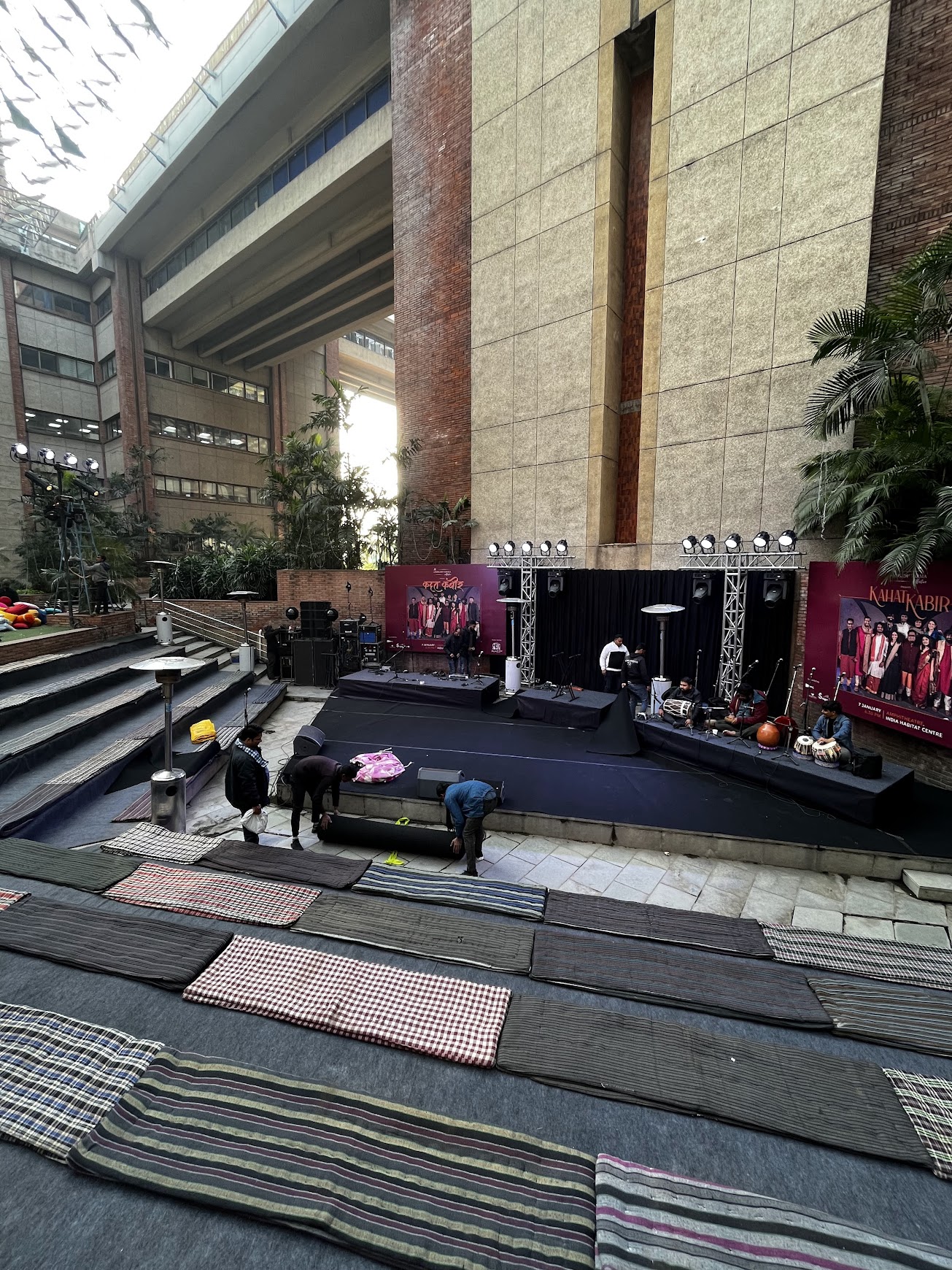
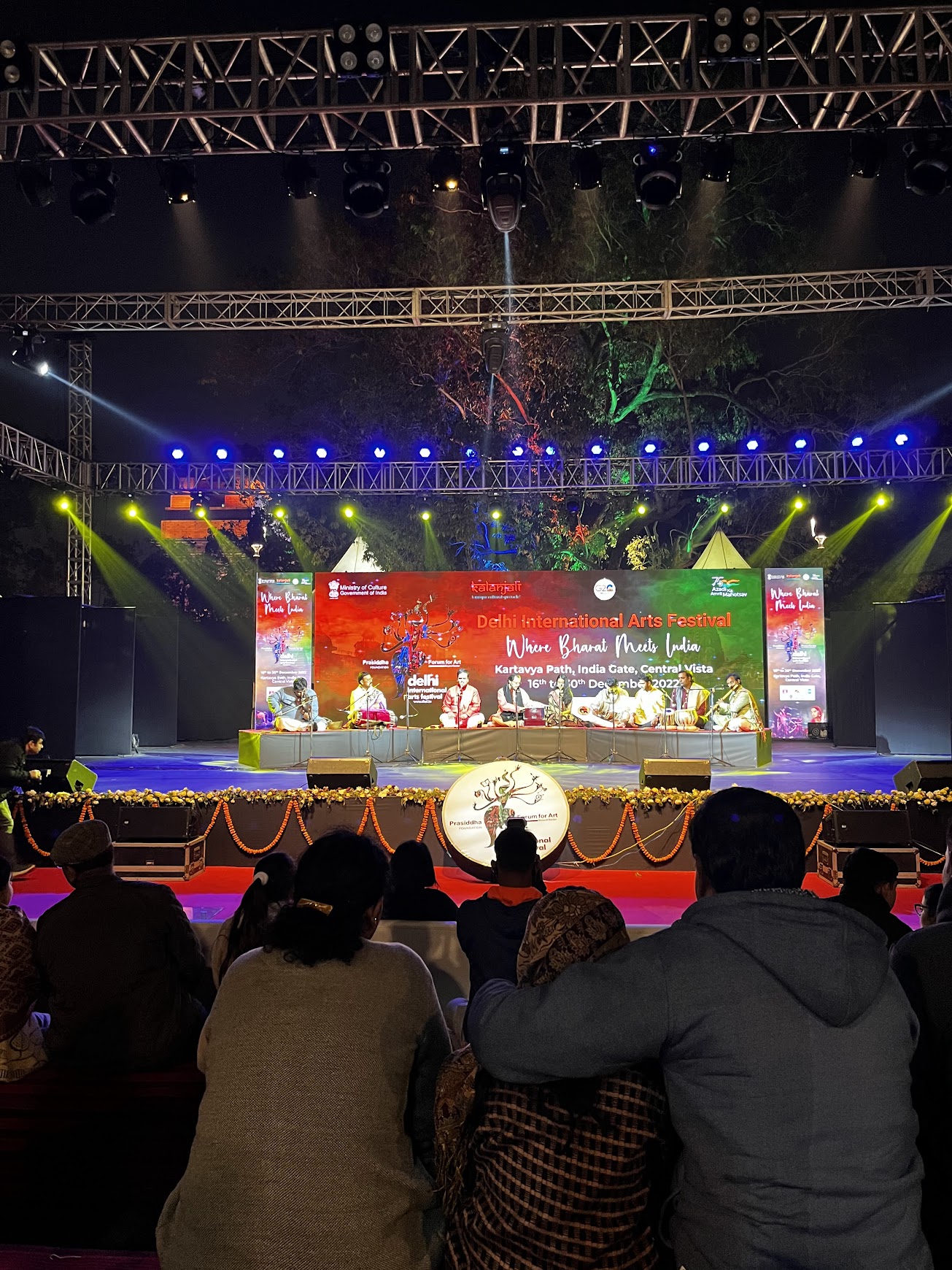
Sunder Nursery is now a cultural movement: abuzz and alive with energy no matter where you go. Events of a nature previously unseen in the city keep popping up within its boundaries every time you visit.
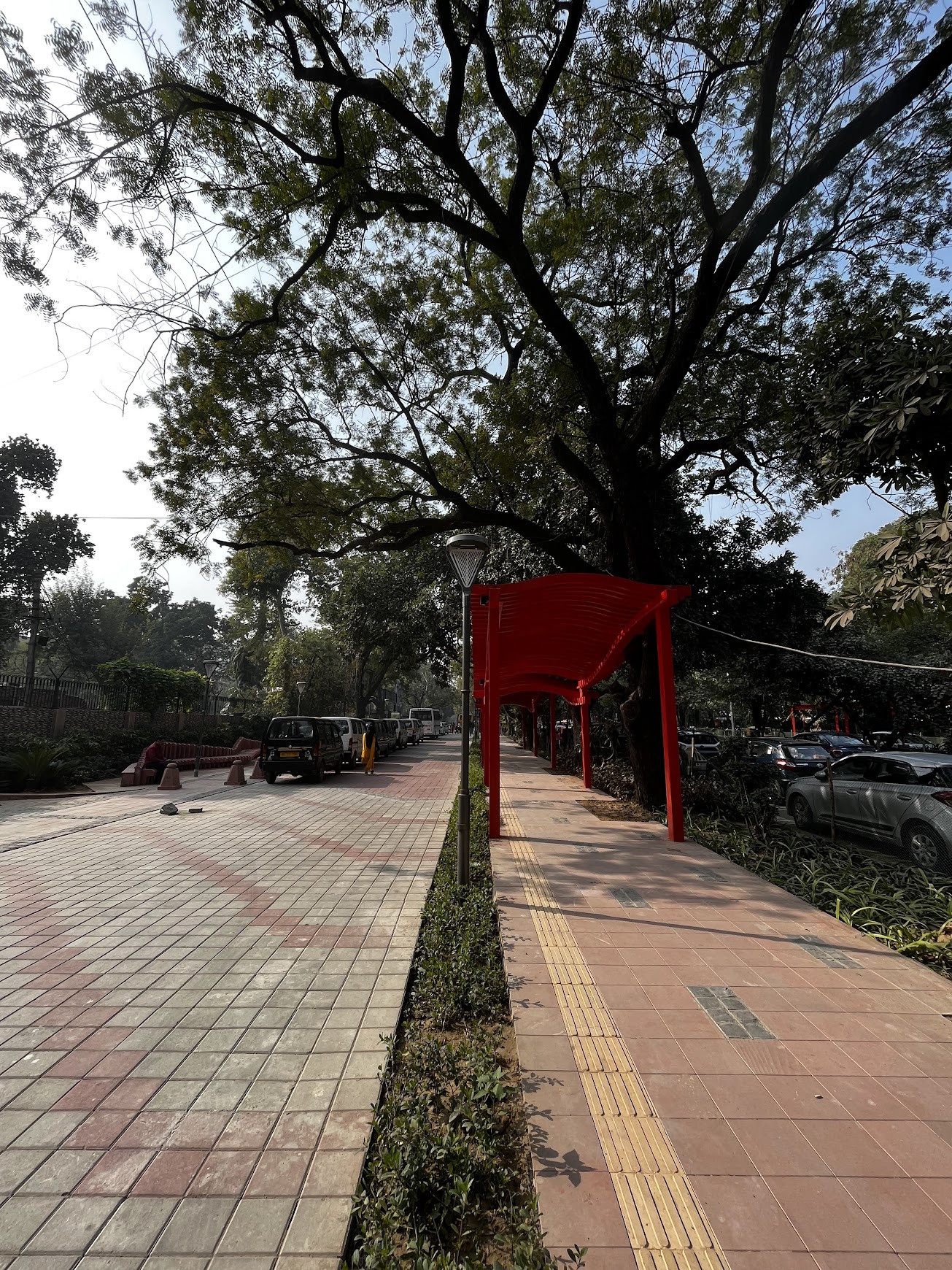
In general, life in an Indian city presents sufficient evidence to inspire pessimism even if one isn't looking for it. Recently, though, an opposite experience seems to have begun to occur: moments of pleasant surprise. Outdoor spaces almost reminiscent of the first world; pedestrian walkways built with care and respect; mixed-use development in pieces of land familiar to the mind as dump yards.
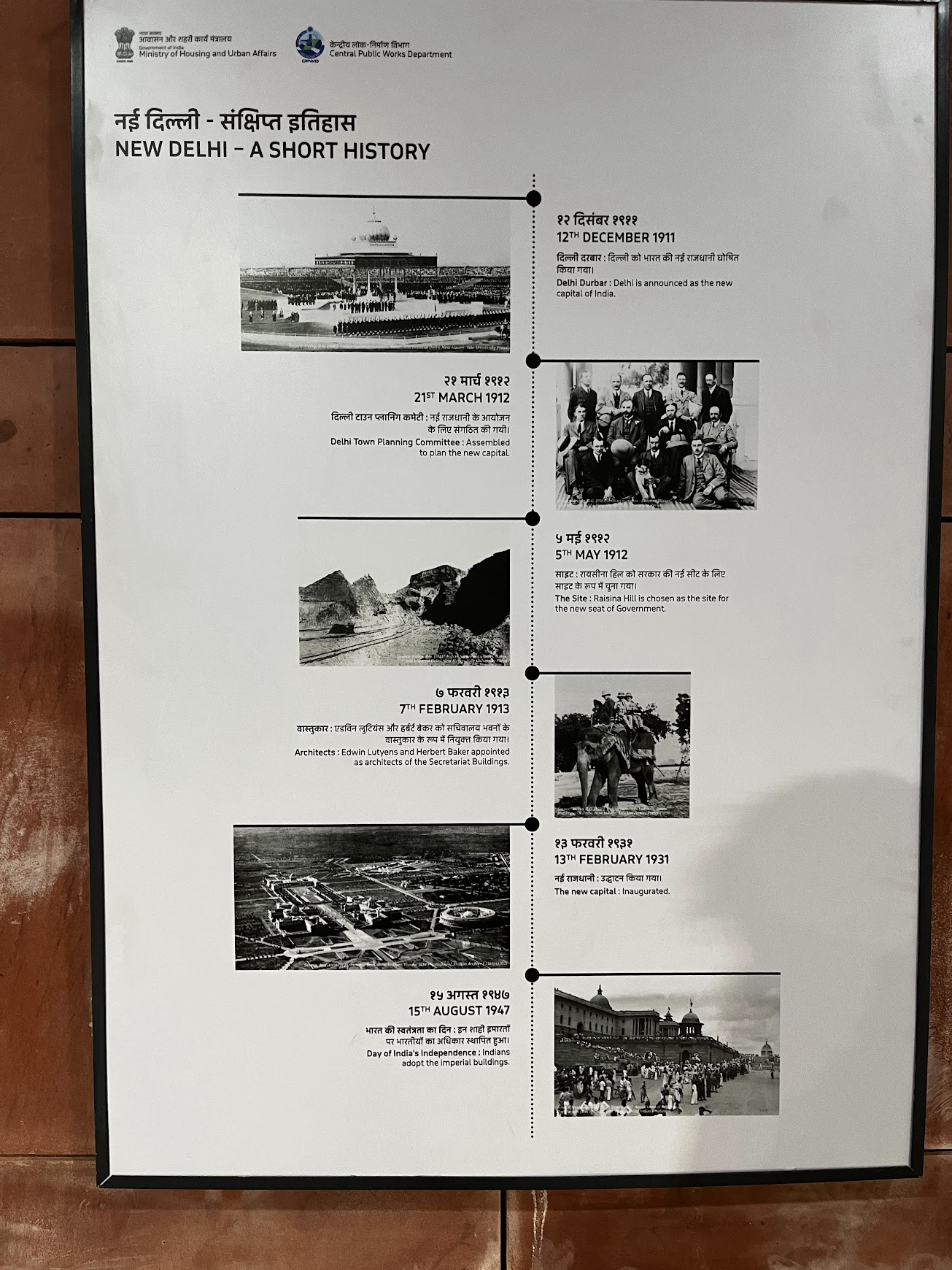
There is a regularity to these moments of surprise which suggests a pattern; a pattern which has birthed hope.
This is not to say that I am predicting the rapid emergence of this city as a world-class capital in the near future, or that there isn't sufficient evident to inspire pessimism in those looking for it. After all, we only look at the world as how we are – not how it is – and at a less flowery juncture in life, perhaps I would be on the side of the pessimists.
Till then, however, I remain cautiously optimistic: I am careful not to call this a transformation; but to be able to witness a needle in motion in the right direction – in a city whose fate I am so inextricably tied to – is a joy which defies expression.